


- Afhalen na 1 uur in een winkel met voorraad
- Gratis thuislevering in België vanaf € 30
- Ruim aanbod met 7 miljoen producten
- Afhalen na 1 uur in een winkel met voorraad
- Gratis thuislevering in België vanaf € 30
- Ruim aanbod met 7 miljoen producten





€ 209,45
+ 418 punten
Omschrijving
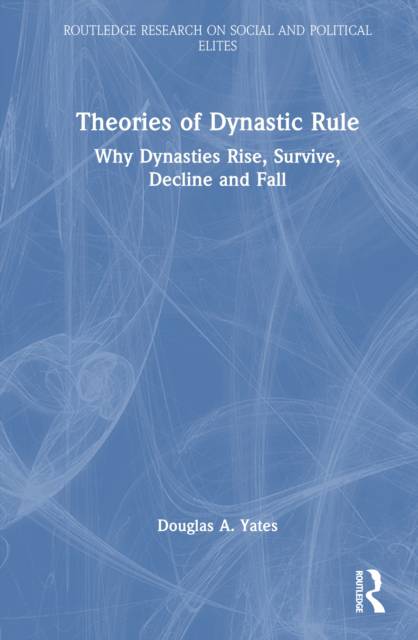
This book presents a comparative analysis of the world's political dynasties classified by regime types (monarchic/republican, democratic/non-democratic). It provides a clear survey of dynastic rule, contemporary case studies, and explains why dynasties rise, survive, decline and fall.
Representing the first attempt to topically catalogue theories of dynastic rule, the book brings together and coheres ideas hitherto spread across many disciplines: from history and biography, to anthropology, sociology, psychology, economics, political science, international relations. It provides clear illumination of the dynamics of dynastic rule and how it functions, its rules and maxims, and makes predictions about its future. One quarter of all the states in the contemporary international system today have a family dynasty as head of state or government. Beneath these "national" leaders are other political families who run regional, provincial, and municipal governments, numbering in the tens of thousands. Dynasty is no archaism on the verge of extinction. Every regime type, every historical era, every geographical region breeds some kind of dynastic rule. Considering how common they are, a review of dynastic theories is long overdue.
This book will be of key interest to students and scholars of political elites, comparative politics, constitutional law, diplomacy, political history, psychology, commonwealth studies, and biography.
Specificaties
Betrokkenen
- Auteur(s):
- Uitgeverij:
Inhoud
- Aantal bladzijden:
- 388
- Taal:
- Engels
- Reeks:
Eigenschappen
- Productcode (EAN):
- 9781041000198
- Verschijningsdatum:
- 21/07/2026
- Uitvoering:
- Hardcover
- Formaat:
- Genaaid
- Afmetingen:
- 156 mm x 233 mm



Alleen bij Standaard Boekhandel
+ 418 punten op je klantenkaart van Standaard Boekhandel
Cadeau

AANGERADEN


Beoordelingen
We publiceren alleen reviews die voldoen aan de voorwaarden voor reviews. Bekijk onze voorwaarden voor reviews.