


- Afhalen na 1 uur in een winkel met voorraad
- Gratis thuislevering in België vanaf € 30
- Ruim aanbod met 7 miljoen producten
- Afhalen na 1 uur in een winkel met voorraad
- Gratis thuislevering in België vanaf € 30
- Ruim aanbod met 7 miljoen producten





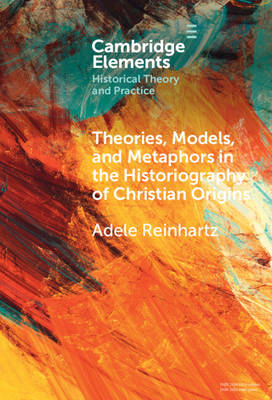
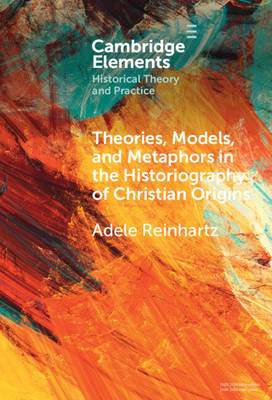
Theories, Models, and Metaphors in the Historiography of Christian Origins
Adele Reinhartz
€ 124,45
+ 248 punten
Uitvoering
Omschrijving
This Element focuses on the historiography of Christian origins from the mid-19th century to the present. It argues that this historiography is shaped by two factors: the theories and ideas that prevailed in the historians' own eras; and the views about Jews and Judaism in predominantly Christian societies. In the mid-19th century, the Great Man theory, developed by Thomas Carlyle, fostered debates about which Great Man - Jesus or Paul - founded Christianity. In the late 19th century, evolutionary theory, especially as developed by Charles Darwin, helped shape narratives about the evolution of Christianity out of, or away from, Judaism. After 1945, Holocaust theory prompted historians to reconsider the implicit and explicit anti-Judaism of earlier views. From the late 20th century to the present, postmodern theory challenged metanarratives and binaries - such as Judaism/Christianity - and the very attempt to arrive at a comprehensive and linear account of Christian origins.
Specificaties
Betrokkenen
- Auteur(s):
- Uitgeverij:
Inhoud
- Aantal bladzijden:
- 80
- Taal:
- Engels
- Reeks:
Eigenschappen
- Productcode (EAN):
- 9781009591379
- Verschijningsdatum:
- 28/05/2026
- Uitvoering:
- Hardcover
- Formaat:
- Genaaid
- Afmetingen:
- 152 mm x 229 mm
- Gewicht:
- 281 g


Alleen bij Standaard Boekhandel
+ 248 punten op je klantenkaart van Standaard Boekhandel
Cadeau

AANGERADEN


Beoordelingen
We publiceren alleen reviews die voldoen aan de voorwaarden voor reviews. Bekijk onze voorwaarden voor reviews.