


- Afhalen na 1 uur in een winkel met voorraad
- Gratis thuislevering in België vanaf € 30
- Ruim aanbod met 7 miljoen producten
- Afhalen na 1 uur in een winkel met voorraad
- Gratis thuislevering in België vanaf € 30
- Ruim aanbod met 7 miljoen producten





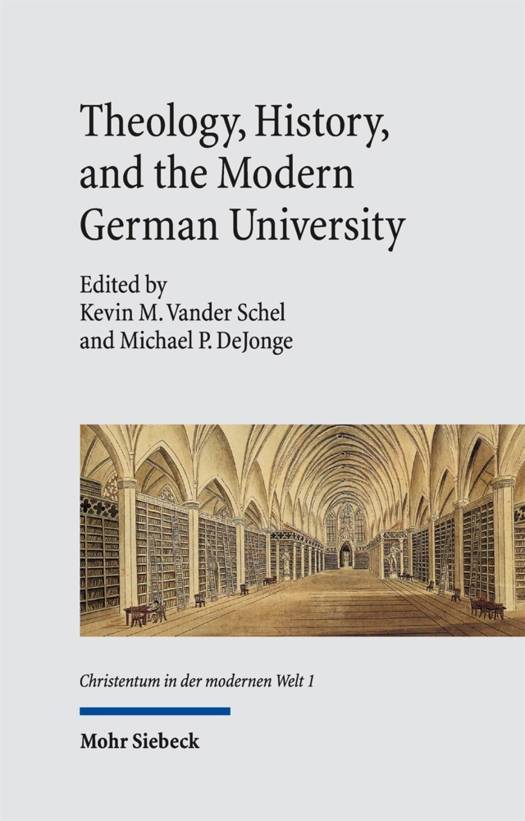
Theology, History, and the Modern German University
€ 82,95
+ 165 punten
Omschrijving
Questions surrounding the genesis, development, and viability of modern academic theology have drawn renewed and heightened interest in recent years. Over the past decade, an increasing number of detailed studies have inquired into the emergence of scientific theology (wissenschaftliche Theologie) in the nineteenth century and its uneasy relationship with the shifting intellectual culture of the modern research university. This volume presents a unique contribution to this developing conversation, offering a focused treatment of the many-sided debate surrounding the tasks and limitations of historical and critical theology as it develops in the modern German university during the nineteenth and early twentieth centuries. The fifteen chapters of the volume examine the challenges of the historical study of theology and the contested concept of scientific theology in the writings of foundational figures such as Kant, Schleiermacher, Baur, Ritschl, Harnack, Troeltsch, Barth, and Bonhoeffer. Yet it also attends to ongoing debates concerning the relationship between supernatural revelation and empirical-historical research, the rise and fall of historicism in theology, the competing locales of church and university, the appropriation of historical methods within Protestant and Catholic theological faculties, and the place and function of theology in the increasingly specialized modern research university. As the essays demonstrate, the implications of this conversation continue to resound in contemporary discussions of the place of the study of theology and religion in the modern university.
Specificaties
Betrokkenen
- Uitgeverij:
Inhoud
- Aantal bladzijden:
- 364
- Taal:
- Engels
- Reeks:
- Reeksnummer:
- nr. 1
Eigenschappen
- Productcode (EAN):
- 9783161610547
- Verschijningsdatum:
- 1/11/2021
- Uitvoering:
- Hardcover
- Formaat:
- Genaaid
- Afmetingen:
- 231 mm x 154 mm
- Gewicht:
- 3755 g

Alleen bij Standaard Boekhandel
+ 165 punten op je klantenkaart van Standaard Boekhandel
CADEAU

AANGERADEN


Beoordelingen
We publiceren alleen reviews die voldoen aan de voorwaarden voor reviews. Bekijk onze voorwaarden voor reviews.