


- Afhalen na 1 uur in een winkel met voorraad
- Gratis thuislevering in België vanaf € 30
- Ruim aanbod met 7 miljoen producten
- Afhalen na 1 uur in een winkel met voorraad
- Gratis thuislevering in België vanaf € 30
- Ruim aanbod met 7 miljoen producten





€ 61,45
+ 122 punten
Eenvoudig bestellen
Veilig betalen


Gratis thuislevering vanaf € 30 (via bpost)
Gratis levering in je Standaard Boekhandel
Omschrijving
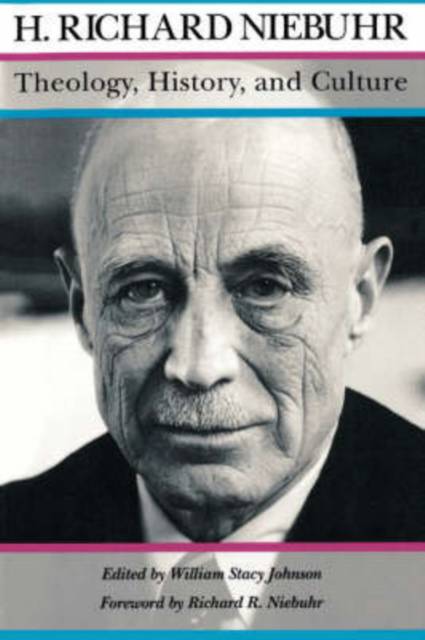
This book brings together the best of the unpublished works of H. Richard Niebuhr, one of the outstanding American religious thinkers of this century. The collection includes lectures, sermons, and essays, some of which Niebuhr delivered at major universities to general audiences, and others that he prepared for circulation and discussion among colleagues at Yale and elsewhere. Contemporaneous events, religious figures, important issues in theology, and interpretations of American history and culture-all engaged Niebuhr's broad-ranging interest and revealed his concern with integrating theology and practical living. For those approaching the author's work for the first time, this volume opens the way; for readers already familiar with his concerns, it invites a deeper understanding of his theology. The collection will enrich contemporary public theological discussion, adding Niebuhr's confessionally grounded yet publicly focused voice to the conversation. Richard R. Niebuhr contributes a Foreword in which he recollects his father and offers insights from private writings, and William Stacy Johnson's Introduction orients the reader to Niebuhr's life and work, locating his writings in appropriate theological and historical contexts.
Specificaties
Betrokkenen
- Auteur(s):
- Uitgeverij:
Inhoud
- Aantal bladzijden:
- 244
- Taal:
- Engels
- Reeks:
Eigenschappen
- Productcode (EAN):
- 9780300074376
- Verschijningsdatum:
- 1/02/1998
- Uitvoering:
- Paperback
- Formaat:
- Trade paperback (VS)
- Afmetingen:
- 156 mm x 234 mm
- Gewicht:
- 394 g


Alleen bij Standaard Boekhandel
+ 122 punten op je klantenkaart van Standaard Boekhandel
CADEAU

AANGERADEN


Beoordelingen
We publiceren alleen reviews die voldoen aan de voorwaarden voor reviews. Bekijk onze voorwaarden voor reviews.