


- Afhalen na 1 uur in een winkel met voorraad
- Gratis thuislevering in België vanaf € 30
- Ruim aanbod met 7 miljoen producten
- Afhalen na 1 uur in een winkel met voorraad
- Gratis thuislevering in België vanaf € 30
- Ruim aanbod met 7 miljoen producten





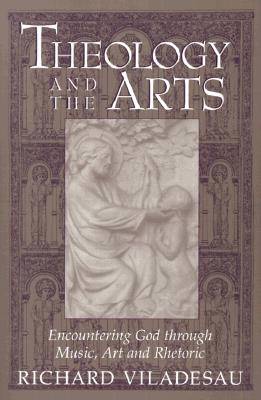
Theology and the Arts
Encountering God Through Music, Art and Rhetoric
Richard Viladesau
Paperback | Engels
€ 32,45
+ 64 punten
Omschrijving
Richard Viladesau's book takes a look at an inviting topic that has come into increasing prominence in a number of fields lately--including theology. Theology and the Arts explores, in a timely and engaging manner, several aspects of the relations between theology and aesthetics, in both the pastoral and academic realms. The underlying motif of this work is that beauty is a means of divine revelation, and that art is the human mediation that both enables and limits its revelatory power. Using examples from music, pictorial art and rhetoric, the five chapters explore different aspects of the ways that art enters into theology and theology into art, both in pastoral practice, e.g., liturgical music, sacred art and preaching, and in the area of systematic reflection, where, Viladesau contends, art must be recognized as a genuine theological text. A reader-friendly feature of this work is the addition, after the central chapters, of a discography of illustrative musical works and lists of internet sights of sacred art and art history resources-a virtual museum--that will complement the text. These enhance the value of this well-written, provocative text. Although aimed at undergraduate theology students, it will certainly capture the interest of art students, pastoral ministers and anyone who appreciates the arts. +
Specificaties
Betrokkenen
- Auteur(s):
- Uitgeverij:
Inhoud
- Aantal bladzijden:
- 288
- Taal:
- Engels
Eigenschappen
- Productcode (EAN):
- 9780809139279
- Verschijningsdatum:
- 3/07/2000
- Uitvoering:
- Paperback
- Formaat:
- Trade paperback (VS)
- Afmetingen:
- 153 mm x 229 mm
- Gewicht:
- 462 g


Alleen bij Standaard Boekhandel
+ 64 punten op je klantenkaart van Standaard Boekhandel

Beoordelingen
We publiceren alleen reviews die voldoen aan de voorwaarden voor reviews. Bekijk onze voorwaarden voor reviews.