


- Afhalen na 1 uur in een winkel met voorraad
- Gratis thuislevering in België vanaf € 30
- Ruim aanbod met 7 miljoen producten
- Afhalen na 1 uur in een winkel met voorraad
- Gratis thuislevering in België vanaf € 30
- Ruim aanbod met 7 miljoen producten


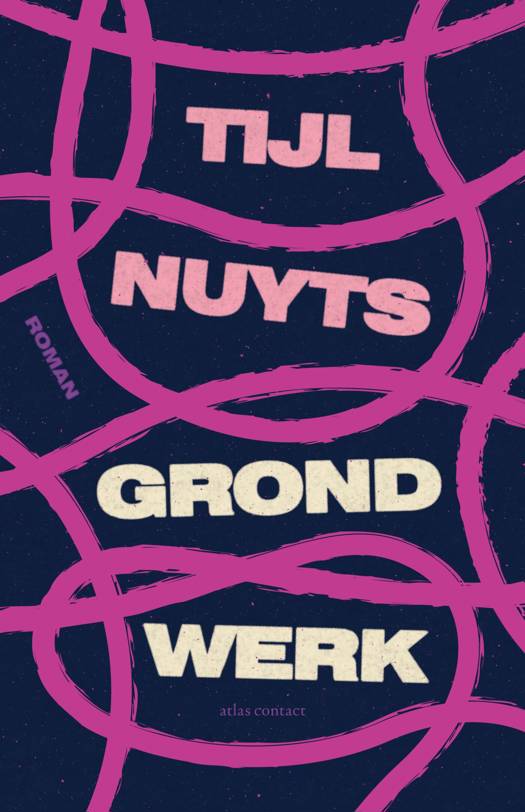


Theological Anthropology and the Great Literary Genres
Understanding the Human Story
Michael P Jensen
Hardcover | Engels
€ 203,95
+ 407 punten
Omschrijving
The storytelling impulse lies very deep within human cultures; indeed, it is fundamental to the very concept of human culture itself. What, then, is humankind, according to the great story types of tragedy, epic, and comedy? What do each of these genres say about us, and what transcends us? Building on critical discussions of the great genres of the Western literary tradition, Michael P. Jensen argues that each of these genres contains a "theo-anthropology"--a theological understanding of the human creature. He then shows how questions of identity, purpose, and destiny are addressed within each genre, concluding that human existence is a "storied nature" shaped by the various literary forms that have fostered human cultural imagination. These genres provide crucial keys to vital anthropological and theological questions when put in conversation with Christian theology; as Jensen shows, the Christian story, "the gospel," shares many observations about the human condition with the great genres, but offers a different "sense of ending."
Specificaties
Betrokkenen
- Auteur(s):
- Uitgeverij:
Inhoud
- Aantal bladzijden:
- 212
- Taal:
- Engels
Eigenschappen
- Productcode (EAN):
- 9781978706392
- Verschijningsdatum:
- 23/08/2019
- Uitvoering:
- Hardcover
- Formaat:
- Genaaid
- Afmetingen:
- 152 mm x 229 mm
- Gewicht:
- 480 g


Alleen bij Standaard Boekhandel
+ 407 punten op je klantenkaart van Standaard Boekhandel
AANGERADEN


Beoordelingen
We publiceren alleen reviews die voldoen aan de voorwaarden voor reviews. Bekijk onze voorwaarden voor reviews.