


- Afhalen na 1 uur in een winkel met voorraad
- Gratis thuislevering in België vanaf € 30
- Ruim aanbod met 7 miljoen producten
- Afhalen na 1 uur in een winkel met voorraad
- Gratis thuislevering in België vanaf € 30
- Ruim aanbod met 7 miljoen producten





€ 93,45
+ 186 punten
Uitvoering
Omschrijving
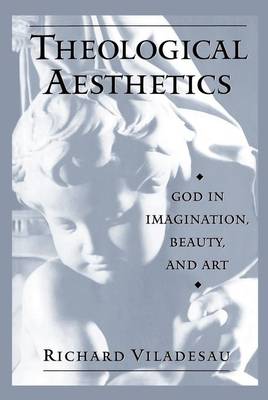
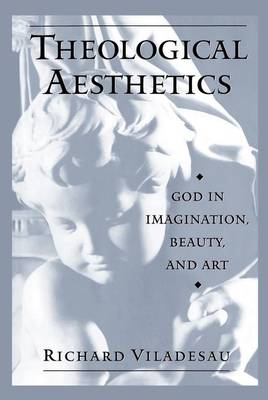
This book explores the role of aesthetic experience in our perception and understanding of the holy. Richard Viladesau's goal is to articulate a theology of revelation, examined in relation to three principal dimensions of the aesthetic realm: feeling and imagination; beauty (or taste); and the arts. After briefly considering ways in which theology itself can be imaginative or beautiful, Viladesau concentrates on the theological significance of aesthetic data provided by each of the three major spheres of aesthetic perception and response. Throughout the work, the underlying question is how each of these spheres serves as a source (however ambiguous) of revelation. Although he frames much of his argument in terms of Catholic theology--from the Church Fathers to Karl Rahner, Hans urs von Balthasar, Bernard Lonergan, and David Tracy--Viladesau also makes extensive use of ideas from the Protestant theologian of the arts Gerardus van der Leeuw, and draws insights from such diverse thinkers as Hans Goerg Gadamer, Wolfhart Pannenberg, and Iris Murdoch. His analysis is enlivened by the artistic examples he selects: the music of Mozart as contemplated by Karl Barth, Schoenbergs opera Moses und Aron, the sculptures of Chartres Cathedral, poems by Rilke and Michelangelo, and many others. What emerges from this study is what Viladeseau terms a transcendental theology of aesthetics. In Thomistic terms, he finds that beauty is not only a perfection but a transcendental. That is, any instance of beauty, rightly perceived and rightly understood, can be seen to imply divinely beautiful things as well. In other words, Viladesau argues, God is the absolute and necessary condition for the possibility of beauty.
Specificaties
Betrokkenen
- Auteur(s):
- Uitgeverij:
Inhoud
- Aantal bladzijden:
- 312
- Taal:
- Engels
Eigenschappen
- Productcode (EAN):
- 9780199959761
- Verschijningsdatum:
- 21/12/2012
- Uitvoering:
- Paperback
- Formaat:
- Trade paperback (VS)
- Afmetingen:
- 156 mm x 234 mm
- Gewicht:
- 439 g


Alleen bij Standaard Boekhandel
+ 186 punten op je klantenkaart van Standaard Boekhandel

Beoordelingen
We publiceren alleen reviews die voldoen aan de voorwaarden voor reviews. Bekijk onze voorwaarden voor reviews.