


- Afhalen na 1 uur in een winkel met voorraad
- Gratis thuislevering in België vanaf € 30
- Ruim aanbod met 7 miljoen producten
- Afhalen na 1 uur in een winkel met voorraad
- Gratis thuislevering in België vanaf € 30
- Ruim aanbod met 7 miljoen producten





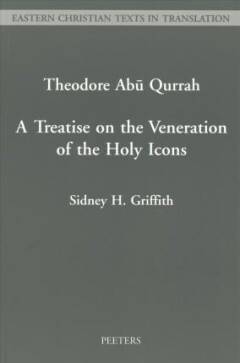
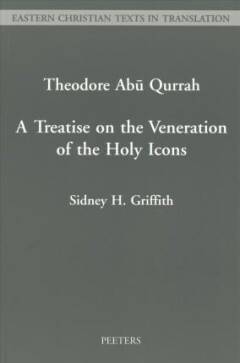
Theodore Abu Qurrah. a Treatise on the Veneration of the Holy Icons
Sh Griffith
€ 19,83
+ 39 punten
Eenvoudig bestellen
Veilig betalen


Gratis thuislevering vanaf € 30 (via bpost)
Gratis levering in je Standaard Boekhandel
Omschrijving
Theodore Abu Qurrah (c.750-c.825) was an intellectual heir of St. John of Damascus. Both became monks of Mar Sabas monastery in the Judean desert. Whereas John of Damascus was prominent among the generations of Greek writers in the Holy Land in early Islamic times, Theodore Abu Qurrah was the first Orthodox scholar whose name we know regularly to write Christian theology in Arabic. He spoke and wrote the Arabic language at a time when it was just becoming the cultural language of classical Islamic civilization, as well as the lingua sacra of the Qu'ran and of the new world religion. He was among the first Christians to exploit the apologetic potential of the new Arabic medium of public discourse. Abu Qurrah's Arabic tract in defense of the veneration of the holy icons was a response to the problem of the public veneration of the symbols of Christianity in an Islamic environment in which the caliph's policies since the time of 'Abd al-Malik (685-705) had been to claim the public space for Islam. In this treatise one finds arguments once expounded by earlier Greek writers, now deployed to meet the needs of a new generation of Arabic-speaking Christians, who were more evidently in contact and debate with Muslims.
Specificaties
Betrokkenen
- Auteur(s):
- Uitgeverij:
Inhoud
- Aantal bladzijden:
- 99
- Taal:
- Engels
- Reeks:
- Reeksnummer:
- nr. 1
Eigenschappen
- Productcode (EAN):
- 9789068319286
- Verschijningsdatum:
- 1/01/1997
- Uitvoering:
- Paperback
- Formaat:
- Trade paperback (VS)
- Afmetingen:
- 157 mm x 239 mm
- Gewicht:
- 136 g


Alleen bij Standaard Boekhandel
+ 39 punten op je klantenkaart van Standaard Boekhandel
CADEAU

AANGERADEN


Beoordelingen
We publiceren alleen reviews die voldoen aan de voorwaarden voor reviews. Bekijk onze voorwaarden voor reviews.