



- Afhalen na 1 uur in een winkel met voorraad
- In januari gratis thuislevering in België
- Ruim aanbod met 7 miljoen producten
- Afhalen na 1 uur in een winkel met voorraad
- In januari gratis thuislevering in België
- Ruim aanbod met 7 miljoen producten





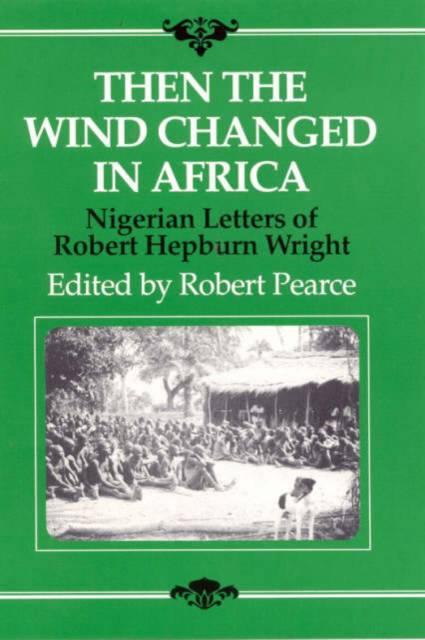
Then the Wind Changed in Africa
Nigerian Letters of Robert Hepburn Wright
Robert Hepbum Wright, Robert Hepburn Wright
Hardcover | Engels
€ 62,95
+ 125 punten
Omschrijving
Robert Hepburn Wright began his career in the British Colonial Administrative Service. In 1936 he joined the Northern Nigerian Service, and four years later became private secretary to the Governor. But in 1946, when he returned to Northern Nigeria after serving in the Second World War, he wanted to do work that he felt would be more immediately and practically useful than administration, and switched to education. He began as principal of a teacher-training college, then rose to become Provincial Education Officer and finally Permanent Secretary in the Ministry of Education. During this period he became a confidant of and mentor to Nigeria's first Federal Prime Minister, Abubakar Tafawa Balewa, and forged close and lasting links with many Nigerian friends and colleagues. His letters are a unique record of the period leading up to the end of empire and Nigeria's emergence as an independent nation.
Specificaties
Betrokkenen
- Auteur(s):
- Uitgeverij:
Inhoud
- Aantal bladzijden:
- 152
- Taal:
- Engels
Eigenschappen
- Productcode (EAN):
- 9781850435730
- Verschijningsdatum:
- 31/12/1993
- Uitvoering:
- Hardcover
- Formaat:
- Genaaid
- Afmetingen:
- 145 mm x 223 mm
- Gewicht:
- 312 g


Alleen bij Standaard Boekhandel
+ 125 punten op je klantenkaart van Standaard Boekhandel
Cadeau

AANGERADEN


Beoordelingen
We publiceren alleen reviews die voldoen aan de voorwaarden voor reviews. Bekijk onze voorwaarden voor reviews.