


- Afhalen na 1 uur in een winkel met voorraad
- Gratis thuislevering in België vanaf € 30
- Ruim aanbod met 7 miljoen producten
- Afhalen na 1 uur in een winkel met voorraad
- Gratis thuislevering in België vanaf € 30
- Ruim aanbod met 7 miljoen producten





Omschrijving
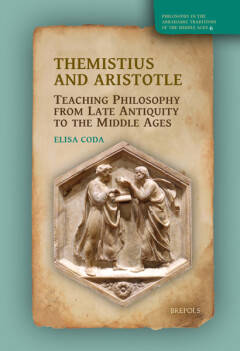
This is the first book length examining closely Themistius' philosophical thought and his understanding of Aristotelian philosophy. Themistius, well known as an eloquent orator and political personality of Constantinople during the fourth century ad, is an influential commentator on works of Aristotle. By assessing both of these aspects of Themistius' intellectual accomplishments, the present work explores and contextualizes his thought in both his paraphrases of the works of Aristotle and in his orations. Themistius' interpretation of Aristotelian thought, deeply influential in both the Arab and Latin worlds, and his strategy for teaching Aristotle, even outside the professional schools of philosophy, are major foci of this study. In particular, this work explicates Themistius' understanding of the nature and causality of the First Principle, of the cosmic order, and of the human soul and intellect. It argues that Themistius' approach reflects not only the systematization imparted by Alexander of Aphrodisias to the doctrines of Aristotle, but also the increasing, though oftentimes silent, influence of Plotinus. This is evident in the consideration of the three philosophical issues of God, cosmos, and soul analysed in Themistius, which reveal the preponderance of Plotinus' philosophy reflected in the Themistian orations. Concomitantly, it explores how Themistius' teachings proved decisive in the medieval understanding of Aristotle both among Arabic and Hebrew readers, as well as in the universities of Latin Europe. As such, this study challenges our understanding of philosophy in fourth-century Constantinople.
Specificaties
Betrokkenen
- Auteur(s):
- Uitgeverij:
Inhoud
- Aantal bladzijden:
- 302
- Taal:
- Frans
- Reeks:
- Reeksnummer:
- nr. 6
Eigenschappen
- Productcode (EAN):
- 9782503581644
- Verschijningsdatum:
- 23/08/2024
- Uitvoering:
- Hardcover
- Formaat:
- Genaaid
- Gewicht:
- 725 g


Alleen bij Standaard Boekhandel
+ 233 punten op je klantenkaart van Standaard Boekhandel
AANGERADEN


Beoordelingen
We publiceren alleen reviews die voldoen aan de voorwaarden voor reviews. Bekijk onze voorwaarden voor reviews.