


- Afhalen na 1 uur in een winkel met voorraad
- Gratis thuislevering in België vanaf € 30
- Ruim aanbod met 7 miljoen producten
- Afhalen na 1 uur in een winkel met voorraad
- Gratis thuislevering in België vanaf € 30
- Ruim aanbod met 7 miljoen producten





Omschrijving
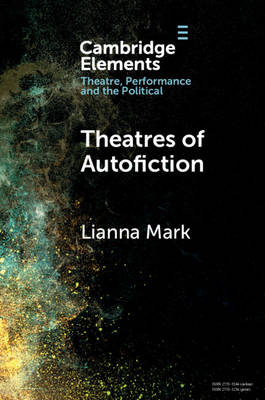
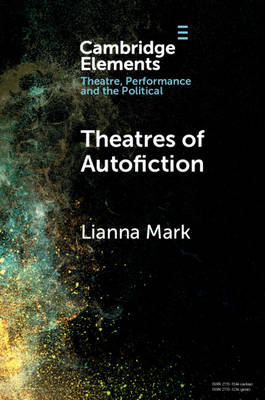
This Element is the first monograph to focus on the presence and popularity of autofiction in contemporary theatre, a mode characterised by its mixture of autobiographical and fictional materials and generally associated with the cutting edge of literary fiction. To do so, it brings frameworks from literary and theatre studies to bear on a recent upsurge in plays that explicitly mobilise lived experience and its fictionalisation to political ends. Considering a comparative corpus of state-subsidised productions in Britain and Europe since the mid 2010s - both adaptations of literary works and plays written for the stage - this Element attends to autofiction's aesthetics and politics through its negotiation on stage of three conceptual binaries, each the focus of a section: fact/fiction, self/other, and inclusion/exclusion. By probing the mode's critical potential and pitfalls, it sheds light on the stakes of self-fictionalising practices in today's cultural markets and on the role of theatre therein.
Specificaties
Betrokkenen
- Auteur(s):
- Uitgeverij:
Inhoud
- Aantal bladzijden:
- 82
- Taal:
- Engels
- Reeks:
Eigenschappen
- Productcode (EAN):
- 9781009406956
- Verschijningsdatum:
- 30/01/2025
- Uitvoering:
- Paperback
- Formaat:
- Trade paperback (VS)
- Afmetingen:
- 152 mm x 229 mm
- Gewicht:
- 122 g


Alleen bij Standaard Boekhandel
+ 72 punten op je klantenkaart van Standaard Boekhandel
Cadeau

AANGERADEN


Beoordelingen
We publiceren alleen reviews die voldoen aan de voorwaarden voor reviews. Bekijk onze voorwaarden voor reviews.