


- Afhalen na 1 uur in een winkel met voorraad
- Gratis thuislevering in België vanaf € 30
- Ruim aanbod met 7 miljoen producten
- Afhalen na 1 uur in een winkel met voorraad
- Gratis thuislevering in België vanaf € 30
- Ruim aanbod met 7 miljoen producten





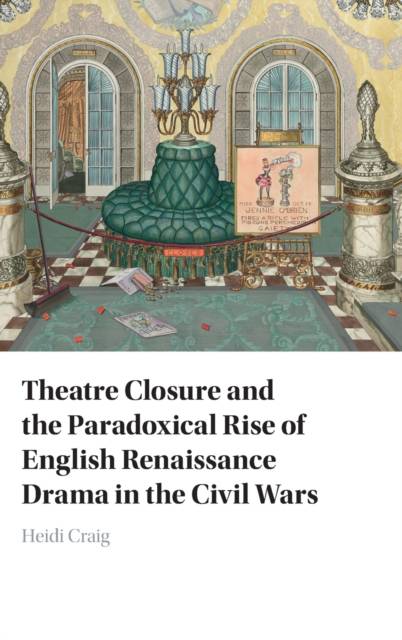
Theatre Closure and the Paradoxical Rise of English Renaissance Drama in the Civil Wars
Heidi Craig
Hardcover | Engels
€ 177,45
+ 354 punten
Uitvoering
Omschrijving
Focusing on the production and reception of drama during the theatre closures of 1642 to 1660, Heidi Craig shows how the 'death' of contemporary theatre in fact gave birth to English Renaissance drama as a critical field. While the prohibition on playing in many respects killed the English stage, drama thrived in print, with stationers publishing unprecedented numbers of previously unprinted professional plays, vaunting playbooks' ties to the receding theatrical past. Marketed in terms of novelty and nostalgia, plays unprinted before 1642 gained new life. Stationers also anatomized the whole corpus of English drama, printing the first anthologies and comprehensive catalogues of drama. Craig captures this crucial turning-point in English theatre history with chapters on royalist nostalgia, clandestine theatrical revivals, dramatic compendia, and the mysteriously small number of Shakespeare editions issued during the period, as well as a new incisive reading of Beaumont and Fletcher's A King and No King.
Specificaties
Betrokkenen
- Auteur(s):
- Uitgeverij:
Inhoud
- Aantal bladzijden:
- 256
- Taal:
- Engels
Eigenschappen
- Productcode (EAN):
- 9781009224031
- Verschijningsdatum:
- 09/03/2023
- Uitvoering:
- Hardcover
- Formaat:
- Genaaid
- Afmetingen:
- 152 mm x 229 mm
- Gewicht:
- 512 g


Alleen bij Standaard Boekhandel
+ 354 punten op je klantenkaart van Standaard Boekhandel
Cadeau

AANGERADEN


Beoordelingen
We publiceren alleen reviews die voldoen aan de voorwaarden voor reviews. Bekijk onze voorwaarden voor reviews.