


- Afhalen na 1 uur in een winkel met voorraad
- Gratis thuislevering in België vanaf € 30
- Ruim aanbod met 7 miljoen producten
- Afhalen na 1 uur in een winkel met voorraad
- Gratis thuislevering in België vanaf € 30
- Ruim aanbod met 7 miljoen producten





€ 72,95
+ 145 punten
Uitvoering
Omschrijving
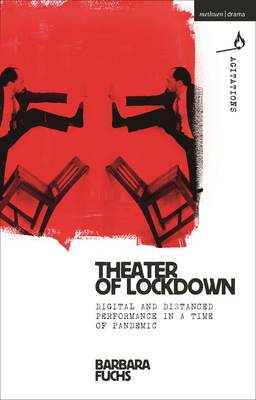
Offering one of the first scholarly examinations of digital and distanced performance since the global shutdown of theaters in March 2020, Barbara Fuchs provides both a record of the changes and a framework for thinking through theater's transformation.
Though born of necessity, recent productions offer a new world of practice, from multi-platform plays on Zoom, WhatsApp, and Instagram, to enhancement via filters and augmented reality, to urban distanced theater that enlivens streetscapes and building courtyards. Based largely outside the commercial theater, these productions transcend geographic and financial barriers to access new audiences, while offering a lifeline to artists. This study charts how virtual theater puts pressure on existing assumptions and definitions, transforming the conditions of both theater-making and viewership. How are participatory, site-specific, or devised theater altered under physical-distancing requirements? How do digital productions blur the line between film and theater? What does liveness mean in a time of pandemic? In its seven chapters, Theater of Lockdown focuses on digital and distanced productions from the Americas, Europe, and Australia, offering scholarly analysis and interviews. Productions examined include Theater in Quarantine's "closet work" in New York; Forced Entertainment's (Sheffield, UK), End Meeting for All, I, II, and III; the work of Madrid-based company Grumelot; and the virtuosic showmanship of EFE Tres in Mexico City.Specificaties
Betrokkenen
- Auteur(s):
- Uitgeverij:
Inhoud
- Aantal bladzijden:
- 248
- Taal:
- Engels
- Reeks:
Eigenschappen
- Productcode (EAN):
- 9781350231856
- Verschijningsdatum:
- 20/10/2022
- Uitvoering:
- Paperback
- Formaat:
- Trade paperback (VS)
- Afmetingen:
- 140 mm x 216 mm
- Gewicht:
- 290 g


Alleen bij Standaard Boekhandel
+ 145 punten op je klantenkaart van Standaard Boekhandel
Cadeau

AANGERADEN


Beoordelingen
We publiceren alleen reviews die voldoen aan de voorwaarden voor reviews. Bekijk onze voorwaarden voor reviews.