


- Afhalen na 1 uur in een winkel met voorraad
- Gratis thuislevering in België vanaf € 30
- Ruim aanbod met 7 miljoen producten
- Afhalen na 1 uur in een winkel met voorraad
- Gratis thuislevering in België vanaf € 30
- Ruim aanbod met 7 miljoen producten





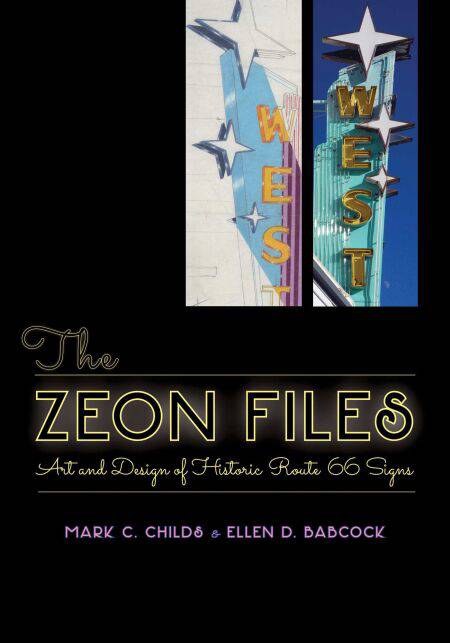
The Zeon Files E-BOOK
Art and Design of Historic Route 66 Signs
Mark C. Childs, Ellen D. Babcock
E-book | Engels
€ 31,30
+ 31 punten
Omschrijving
In the mid-twentieth century Eddie’s Inferno Cocktail Lounge, Bunny Bread, Paris Shoe Shop, and many other businesses throughout New Mexico and the Southwest displayed eye-catching roadside signs created by the Zeon Corporation. These works of commercial art featured unique designs, irregular shapes, dynamic compositions, and neon light. The legendary fiesta dancer at the Albuquerque Terrace drive-in theater, for example, was well-known for the grace of its lines, its enormous size, and its flashing neon skirt. Created during a time before the simplified icons of major chains, many of these culturally significant artworks no longer exist. The Zeon Files rescues these historic artifacts from obscurity, presenting a collection of the working drawings of historic Route 66–era signs. In addition to presenting a visually rich archive, the authors discuss the working methods of design and construction and the craft of drafting techniques during this innovative era of American sign making.
Specificaties
Betrokkenen
- Auteur(s):
- Uitgeverij:
Inhoud
- Aantal bladzijden:
- 136
- Taal:
- Engels
Eigenschappen
- Productcode (EAN):
- 9780826356031
- Verschijningsdatum:
- 14/05/2016
- Uitvoering:
- E-book
- Beveiligd met:
- Adobe DRM
- Formaat:
- ePub


Alleen bij Standaard Boekhandel
+ 31 punten op je klantenkaart van Standaard Boekhandel
Cadeau

AANGERADEN


Beoordelingen
We publiceren alleen reviews die voldoen aan de voorwaarden voor reviews. Bekijk onze voorwaarden voor reviews.