


- Afhalen na 1 uur in een winkel met voorraad
- Gratis thuislevering in België vanaf € 30
- Ruim aanbod met 7 miljoen producten
- Afhalen na 1 uur in een winkel met voorraad
- Gratis thuislevering in België vanaf € 30
- Ruim aanbod met 7 miljoen producten


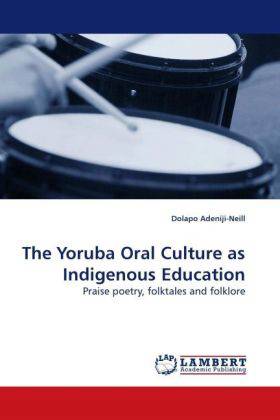
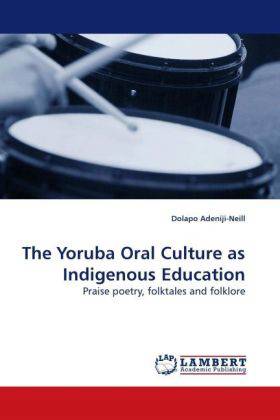
The Yoruba Oral Culture as Indigenous Education
Praise poetry, folktales and folklore
Dolapo Adeniji-Neill
Paperback | Engels
€ 96,45
+ 192 punten
Omschrijving
Professor Adeniji-Neill brings to light the oral culture of the Yoruba of Nigeria through the genre of oriki and folklore. Oriki are praise poems that are chanted and sung for special occasions. There are praise poems and folklore about the most revered God, Olodumare or Olorun, as well as seemingly mundane things such as trees and personal names. In these pages, Adeniji-Neill has gathered and translated samples of oriki and folklore through primary and secondary research as well as from her own memories of a childhood and adolescence in Yorubaland. For some, she provides original translations from archaic Yoruba. She supplements this work with interviews with fifteen Yoruba Nigerians, five living in the United States and ten living in Nigeria. Their responses and her own analysis, demonstrate how this unique and empowering aspect of the Yoruba culture fulfills the purpose of determining one's view of the cosmic order and his or her place within it. This should be especially useful to folklorists, educators, oral historians, cultural anthropologists and those interested in African history and culture.
Specificaties
Betrokkenen
- Auteur(s):
- Uitgeverij:
Inhoud
- Aantal bladzijden:
- 172
- Taal:
- Engels
Eigenschappen
- Productcode (EAN):
- 9783838308333
- Verschijningsdatum:
- 16/08/2009
- Uitvoering:
- Paperback
- Afmetingen:
- 152 mm x 229 mm
- Gewicht:
- 259 g


Alleen bij Standaard Boekhandel
+ 192 punten op je klantenkaart van Standaard Boekhandel
Wedstrijd


Beoordelingen
We publiceren alleen reviews die voldoen aan de voorwaarden voor reviews. Bekijk onze voorwaarden voor reviews.