


- Afhalen na 1 uur in een winkel met voorraad
- Gratis thuislevering in België vanaf € 30
- Ruim aanbod met 7 miljoen producten
- Afhalen na 1 uur in een winkel met voorraad
- Gratis thuislevering in België vanaf € 30
- Ruim aanbod met 7 miljoen producten





€ 209,45
+ 418 punten
Omschrijving
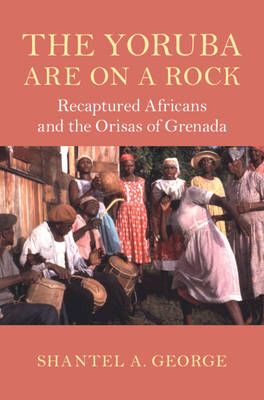
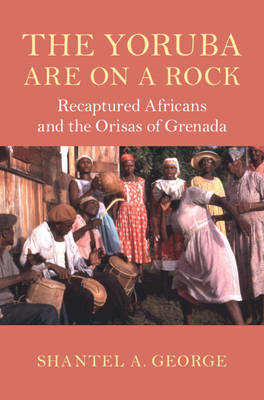
The Yoruba Are on a Rock focuses on the Africans who arrived in Grenada decades after the abolition of the British slave trade and how they radically shaped the religious and cultural landscape of the island. Rooted in extensive archival and ethnographic research, Shantel A. George carefully traces and unpacks the complex movements of people and ideas between various points in western Africa and the Eastern Caribbean to argue that Orisa worship in Grenada is not, as has been generally supposed, a residue of recaptive Yoruba peoples, but emerged from dynamic and multi-layered exchanges within and beyond Grenada. Further, the book shows how recaptives pursued freedom by drawing on shared African histories and experiences in the homeland and in Grenada, and recovers intriguing individual biographies of the recaptives, their descendants, and religious custodians. By historicising this island's little-known and fascinating tradition, the book advances our knowledge of African diaspora cultures and histories.
Specificaties
Betrokkenen
- Auteur(s):
- Uitgeverij:
Inhoud
- Aantal bladzijden:
- 346
- Taal:
- Engels
- Reeks:
Eigenschappen
- Productcode (EAN):
- 9781009358965
- Verschijningsdatum:
- 9/10/2025
- Uitvoering:
- Hardcover
- Formaat:
- Genaaid
- Afmetingen:
- 152 mm x 229 mm
- Gewicht:
- 707 g


Alleen bij Standaard Boekhandel
+ 418 punten op je klantenkaart van Standaard Boekhandel
Cadeau

AANGERADEN


Beoordelingen
We publiceren alleen reviews die voldoen aan de voorwaarden voor reviews. Bekijk onze voorwaarden voor reviews.