


- Afhalen na 1 uur in een winkel met voorraad
- Gratis thuislevering in België vanaf € 30
- Ruim aanbod met 7 miljoen producten
- Afhalen na 1 uur in een winkel met voorraad
- Gratis thuislevering in België vanaf € 30
- Ruim aanbod met 7 miljoen producten





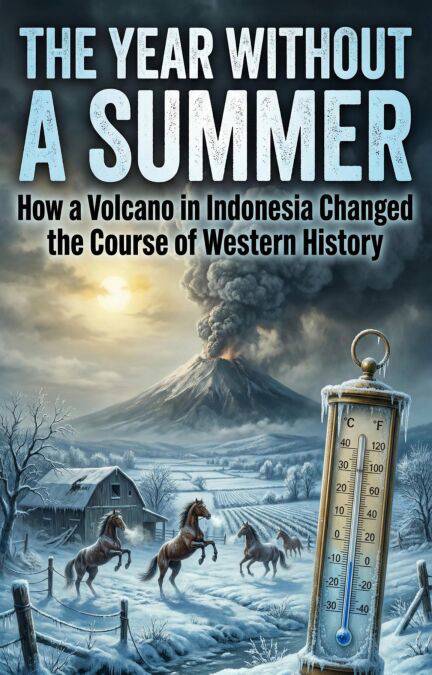
The Year Without a Summer E-BOOK
How a Volcano in Indonesia Changed the Course of Western History
David Nash
E-book | Engels
€ 4,99
+ 4 punten
Omschrijving
In 1816, snow fell in New England in June, birds dropped dead from the sky in London, and famine swept across Europe. Historian David Nash presents "The Year Without a Summer," a gripping narrative of the global climate catastrophe caused by the eruption of Mount Tambora in Indonesia the previous year.
Nash connects the dots between this geological event and massive societal shifts. He explains how the stratospheric ash cloud caused crop failures that led to the first major Jewish migration from Europe to America and spurred the invention of the bicycle (as horses became too expensive to feed). Culturally, the gloomy, incessant rain trapped Mary Shelley indoors near Lake Geneva, leading directly to the writing of Frankenstein.
The book combines volcanology, meteorology, and social history to paint a picture of a world on the brink. Nash draws parallels to modern climate change, showing how fragile our agricultural systems are when the weather deviates from the norm. It is a story of human resilience and adaptation in the face of a sun that refused to shine.
Nash connects the dots between this geological event and massive societal shifts. He explains how the stratospheric ash cloud caused crop failures that led to the first major Jewish migration from Europe to America and spurred the invention of the bicycle (as horses became too expensive to feed). Culturally, the gloomy, incessant rain trapped Mary Shelley indoors near Lake Geneva, leading directly to the writing of Frankenstein.
The book combines volcanology, meteorology, and social history to paint a picture of a world on the brink. Nash draws parallels to modern climate change, showing how fragile our agricultural systems are when the weather deviates from the norm. It is a story of human resilience and adaptation in the face of a sun that refused to shine.
Specificaties
Betrokkenen
- Auteur(s):
- Uitgeverij:
Inhoud
- Aantal bladzijden:
- 187
- Taal:
- Engels
Eigenschappen
- Productcode (EAN):
- 9783565208623
- Verschijningsdatum:
- 28/01/2026
- Uitvoering:
- E-book
- Formaat:
- ePub



Alleen bij Standaard Boekhandel
+ 4 punten op je klantenkaart van Standaard Boekhandel
Cadeau

AANGERADEN


Beoordelingen
We publiceren alleen reviews die voldoen aan de voorwaarden voor reviews. Bekijk onze voorwaarden voor reviews.