


- Afhalen na 1 uur in een winkel met voorraad
- Gratis thuislevering in België vanaf € 30
- Ruim aanbod met 7 miljoen producten
- Afhalen na 1 uur in een winkel met voorraad
- Gratis thuislevering in België vanaf € 30
- Ruim aanbod met 7 miljoen producten




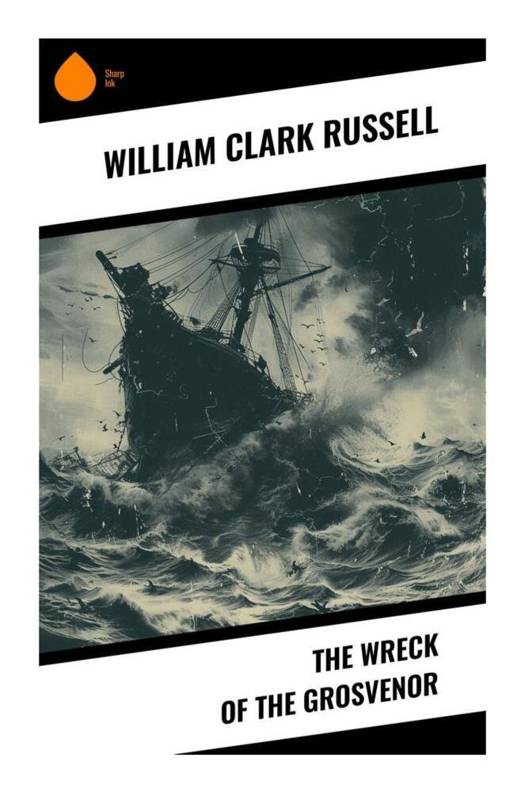
The Wreck of the Grosvenor
A Victorian Maritime Tale of Mutiny, Class Tyranny, Storm, and Survival at Sea
William Clark Russell
Paperback | Engels
€ 12,95
+ 25 punten
Omschrijving
The Wreck of the Grosvenor (1877) is a forceful sea novel that transforms the merchant voyage into a drama of class tyranny, moral endurance, and elemental catastrophe. Russell's narrative follows life aboard a badly commanded vessel, where brutal discipline, rotten provisions, and the indifference of owners generate mutiny before the sea itself delivers judgment. Written in a vivid first-person manner, the book combines melodramatic urgency with unusually precise nautical description, placing it within the Victorian adventure tradition while also anticipating the psychological realism of later maritime fiction. William Clark Russell was exceptionally equipped to write such a work. Born in 1844 into a literary and theatrical family, he served at sea in his youth before ill health forced him ashore. That practical experience gave his fiction an authority rare among popular novelists of his day: he knew the language of ships, the routines of sailors, and the injustices of maritime labor. The novel's indignation reflects both memory and social observation. Readers interested in sea fiction, Victorian realism, or the moral economy of empire will find this novel compelling. It is at once an adventure, a protest, and a study of human conduct under extreme pressure.
Specificaties
Betrokkenen
- Auteur(s):
- Uitgeverij:
Inhoud
- Taal:
- Engels
Eigenschappen
- Productcode (EAN):
- 9788028334864
- Uitvoering:
- Paperback
- Afmetingen:
- 152 mm x 10 mm
- Gewicht:
- 279 g


Alleen bij Standaard Boekhandel
+ 25 punten op je klantenkaart van Standaard Boekhandel
CADEAU

AANGERADEN


Beoordelingen
We publiceren alleen reviews die voldoen aan de voorwaarden voor reviews. Bekijk onze voorwaarden voor reviews.