


- Afhalen na 1 uur in een winkel met voorraad
- Gratis thuislevering in België vanaf € 30
- Ruim aanbod met 7 miljoen producten
- Afhalen na 1 uur in een winkel met voorraad
- Gratis thuislevering in België vanaf € 30
- Ruim aanbod met 7 miljoen producten





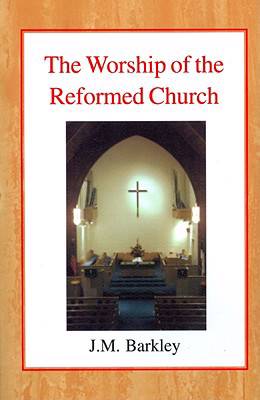
Omschrijving
Barkley introduces his subject by presenting the basic similarities between the Churches and their worship which rests upon the Christian doctrine of God, and is centred in the person and work of Jesus Christ. He differentiates Protestant doctrine from Catholic and Reformed doctrine from Protestant, whilst maintaining the universal theme that Christian worship is not simply the experience of the individual, but of the individual in community: the worship of a family, the Church. Once these fundamentals have been established he continues with a critical analysis of the Eucharistic, Baptismal and Confirmation rites in the Scottish, English, Welsh and Irish liturgies. He differentiates between the Catholic, Evangelical and Reformed doctrines, reminding the reader of their similarities, and the doctrines in which they diversify, before he establishes the similarities between Catholic. In this sense the author claims that to be Reformed, or Presbyterian, it is essential to be Christian, Catholic and Calvinist not only in doctrine but also in worship.
Specificaties
Betrokkenen
- Auteur(s):
- Uitgeverij:
Inhoud
- Aantal bladzijden:
- 132
- Taal:
- Engels
- Reeks:
Eigenschappen
- Productcode (EAN):
- 9780227170359
- Verschijningsdatum:
- 5/06/2003
- Uitvoering:
- Paperback
- Formaat:
- Trade paperback (VS)
- Afmetingen:
- 145 mm x 209 mm
- Gewicht:
- 27 g


Alleen bij Standaard Boekhandel
+ 56 punten op je klantenkaart van Standaard Boekhandel
Cadeau

AANGERADEN


Beoordelingen
We publiceren alleen reviews die voldoen aan de voorwaarden voor reviews. Bekijk onze voorwaarden voor reviews.