


- Afhalen na 1 uur in een winkel met voorraad
- Gratis thuislevering in België vanaf € 30
- Ruim aanbod met 7 miljoen producten
- Afhalen na 1 uur in een winkel met voorraad
- Gratis thuislevering in België vanaf € 30
- Ruim aanbod met 7 miljoen producten




Omschrijving
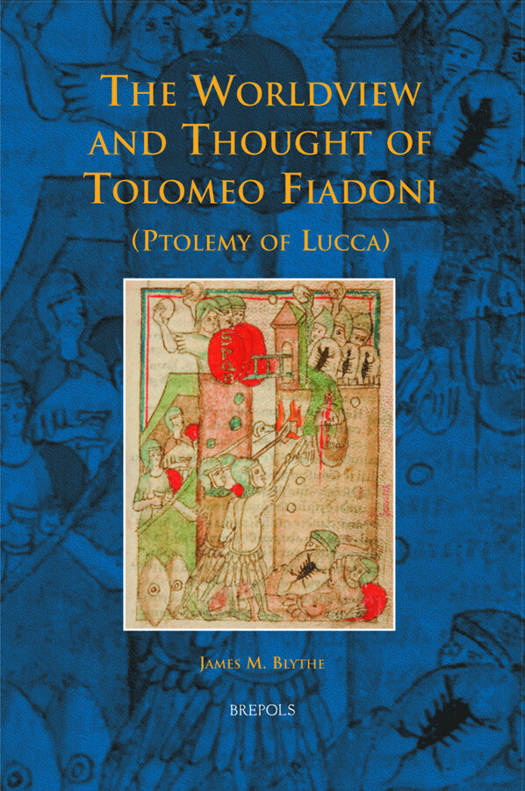
Tolomeo Fiadoni (1236-1327) was one of the most important political theorists and historians of the Middle Ages. He was central to developing a theory for the practices of Northern Italian republicanism and was hostile to kingship, portraying it as despotic and inappropriate for virtuous and freedom-loving people. He was the first writer to compare Aristotle's examples of Greek mixed constitutions - Sparta, Crete, and Carthage - with the Roman Republic, the ancient Hebrew polity, the Church, and medieval communes, yet he remained a staunch defender of the absolute secular and spiritual monarchy of the pope. Blythe explores various tensions in Tolomeo's work that are often overlooked in scholarly treatments of him, and which derive from cultural preconceptions and the diverse influences on him: Aristotle, Augustine, apologists for papal power, his life in the Dominican Order, his educational experience with Thomas Aquinas, and his social position as a member of Northern Italy's ruling class. These factors exerted contradictory influences on Tolomeo and led him to a sometimes unsuccessful intellectual struggle for consistency. This book is the first full-length study of Tolomeo's thought and it gives full consideration not only to the political writings for which he is most known, but also to his historical and exegetical works. It is the companion to The Life and Works of Tolomeo Fiadoni (Ptolemy of Lucca).
Specificaties
Betrokkenen
- Auteur(s):
- Uitgeverij:
Inhoud
- Aantal bladzijden:
- 276
- Taal:
- Frans
- Reeks:
- Reeksnummer:
- nr. 22
Eigenschappen
- Productcode (EAN):
- 9782503529264
- Verschijningsdatum:
- 27/11/2009
- Uitvoering:
- Hardcover
- Formaat:
- Genaaid
- Afmetingen:
- 163 mm x 239 mm
- Gewicht:
- 635 g



Alleen bij Standaard Boekhandel
+ 74 punten op je klantenkaart van Standaard Boekhandel
AANGERADEN


Beoordelingen
We publiceren alleen reviews die voldoen aan de voorwaarden voor reviews. Bekijk onze voorwaarden voor reviews.