


- Afhalen na 1 uur in een winkel met voorraad
- Gratis thuislevering in België vanaf € 30
- Ruim aanbod met 7 miljoen producten
- Afhalen na 1 uur in een winkel met voorraad
- Gratis thuislevering in België vanaf € 30
- Ruim aanbod met 7 miljoen producten





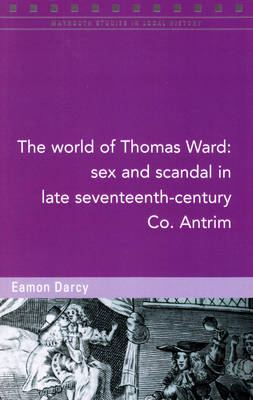
The World of Thomas Ward: Sex and Scandal in Late Seventeenth-Century Co. Antrim
Volume 124
Eamon Darcy
€ 13,95
+ 27 punten
Omschrijving
Part of the Maynooth Studies in Local History series. Why do a number of children look like the local dean? Did you hear that the bishop did not like the communion wine and spat it out, exclaiming "this is the basest wine I have ever tasted"? Such issues were hot topics of conversation in east Ulster in the 1690s. Despite the Williamite triumph after the wars of 1689-91 and the seeming deliverance of Irish Protestants from Catholic tyranny, the Church of Ireland faced numerous structural challenges - most notably in the diocese of Down and Connor. A number of concerns, not least of which was the resolute growth of Catholicism and Presbyterianism, troubled the hierarchy of the Established Church. This led to an investigation by royal commission in 1694 into the diocese's administration. The commissioners, Anthony Dopping and William King, discovered that the local bishop, Thomas Hackett, was wholly unfit for office and that the behaviour of some of the clergy was utterly scandalous. To make matters worse, their behaviour was well known and readily discussed by the laity, bringing shame and dishonor on the Church of Ireland. This short study uses the proceedings issued against Thomas Ward, dean of Connor, and the attempts of Dopping and King to restore the reputation of the Church of Ireland as a keyhole through which we can view local talk, gossip, scandal, communal and gender relations as well as sexual politics in early modern Ireland. (Series: Maynooth Studies in Local History, Vol. 124) [Subject: 17th Century History, Local/Social History, Antrim, Ireland & N. Ireland]Ã?Â?Ã?Â?
Specificaties
Betrokkenen
- Auteur(s):
- Uitgeverij:
Inhoud
- Aantal bladzijden:
- 56
- Taal:
- Engels
- Reeks:
- Reeksnummer:
- nr. 124
Eigenschappen
- Productcode (EAN):
- 9781846826092
- Verschijningsdatum:
- 5/08/2016
- Uitvoering:
- Paperback
- Formaat:
- Trade paperback (VS)
- Afmetingen:
- 132 mm x 211 mm
- Gewicht:
- 68 g


Alleen bij Standaard Boekhandel
+ 27 punten op je klantenkaart van Standaard Boekhandel
Cadeau

AANGERADEN


Beoordelingen
We publiceren alleen reviews die voldoen aan de voorwaarden voor reviews. Bekijk onze voorwaarden voor reviews.