


- Afhalen na 1 uur in een winkel met voorraad
- Gratis thuislevering in België vanaf € 30
- Ruim aanbod met 7 miljoen producten
- Afhalen na 1 uur in een winkel met voorraad
- Gratis thuislevering in België vanaf € 30
- Ruim aanbod met 7 miljoen producten





€ 18,73
+ 18 punten
Uitvoering
Omschrijving
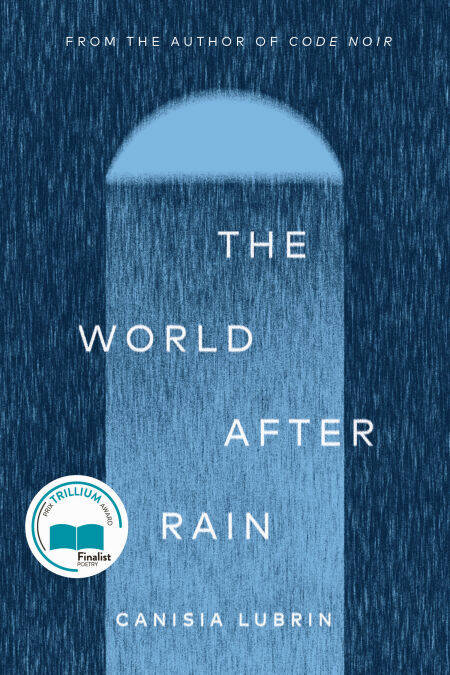
Winner of the OCM Bocas Prize for Caribbean Literature • Finalist for the Trillium Book Award for Poetry • Named a Best Canadian Poetry Book of 2025 by CBC Books • Longlisted for the Pat Lowther Memorial Award
“How incandescent the language is, each line emitting light through the membrane of time and anticipated grief. The work has a rigorousness, the poet pushing through the ache of experience from the first to the last word.”—Dionne Brand
In her signature epic vision, Canisia Lubrin distills a radiant elegy for her mother along an interwoven and unresolvable axis of astonishment, belonging as much to history as to today. Grief, tender and searing, is the channel through which the poet refracts the realm of contemporary life to reveal the blistering paradox of its private and public entanglements. This is poetry of haunting gravity and resonance, with meditations on love, time, and loss, at once meticulously far-seeing, interior, and inexpressible.
woman from fine-print time, disclose to the world:
the forecast of our noontime births outdoors; how I distrust
every form of authority, chiefly my own astonishment
this poisoned wish is why I love, I bow to deserts,
these claychildren of forests everywhere
I love the rain, this is no secret, I love the solar wind;
hold their elliptical life in the wasteland of our third mouths
where flowers are invisible and bones are sanded and amusing,
and every heliopause cloud senses our head, how we astonish
our memories vining where no shade is enough,
since many who’ll feed me will refuse me their names,
and good, who knows what bargains I would make
with their meanings, more bundles of thyme . . .
tournaments of family recipes with you at my question,
“How incandescent the language is, each line emitting light through the membrane of time and anticipated grief. The work has a rigorousness, the poet pushing through the ache of experience from the first to the last word.”—Dionne Brand
In her signature epic vision, Canisia Lubrin distills a radiant elegy for her mother along an interwoven and unresolvable axis of astonishment, belonging as much to history as to today. Grief, tender and searing, is the channel through which the poet refracts the realm of contemporary life to reveal the blistering paradox of its private and public entanglements. This is poetry of haunting gravity and resonance, with meditations on love, time, and loss, at once meticulously far-seeing, interior, and inexpressible.
woman from fine-print time, disclose to the world:
the forecast of our noontime births outdoors; how I distrust
every form of authority, chiefly my own astonishment
this poisoned wish is why I love, I bow to deserts,
these claychildren of forests everywhere
I love the rain, this is no secret, I love the solar wind;
hold their elliptical life in the wasteland of our third mouths
where flowers are invisible and bones are sanded and amusing,
and every heliopause cloud senses our head, how we astonish
our memories vining where no shade is enough,
since many who’ll feed me will refuse me their names,
and good, who knows what bargains I would make
with their meanings, more bundles of thyme . . .
tournaments of family recipes with you at my question,
Specificaties
Betrokkenen
- Auteur(s):
- Uitgeverij:
Inhoud
- Aantal bladzijden:
- 96
- Taal:
- Engels
Eigenschappen
- Productcode (EAN):
- 9780771020100
- Verschijningsdatum:
- 13/10/2025
- Uitvoering:
- E-book
- Beveiligd met:
- Adobe DRM
- Formaat:
- ePub


Alleen bij Standaard Boekhandel
+ 18 punten op je klantenkaart van Standaard Boekhandel
Cadeau

AANGERADEN


Beoordelingen
We publiceren alleen reviews die voldoen aan de voorwaarden voor reviews. Bekijk onze voorwaarden voor reviews.