


- Afhalen na 1 uur in een winkel met voorraad
- Gratis thuislevering in België vanaf € 30
- Ruim aanbod met 7 miljoen producten
- Afhalen na 1 uur in een winkel met voorraad
- Gratis thuislevering in België vanaf € 30
- Ruim aanbod met 7 miljoen producten





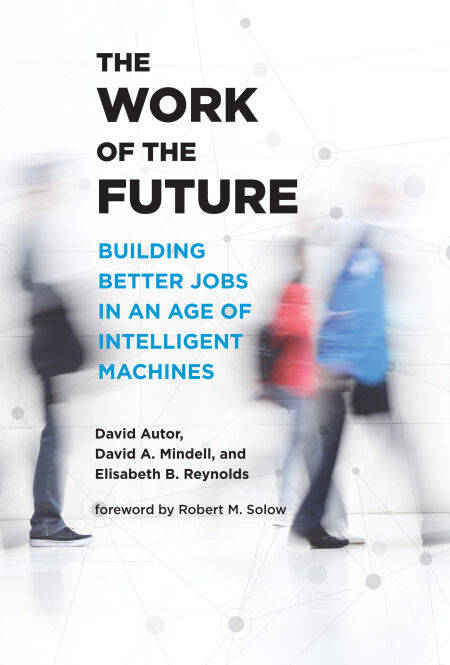
The Work of the Future E-BOOK
Building Better Jobs in an Age of Intelligent Machines
David H. Autor, David A. Mindell, Elisabeth Reynolds
E-book | Engels
€ 24,59
+ 24 punten
Omschrijving
Why the United States lags behind other industrialized countries in sharing the benefits of innovation with workers and how we can remedy the problem.
The United States has too many low-quality, low-wage jobs. Every country has its share, but those in the United States are especially poorly paid and often without benefits. Meanwhile, overall productivity increases steadily and new technology has transformed large parts of the economy, enhancing the skills and paychecks of higher paid knowledge workers. What’s wrong with this picture? Why have so many workers benefited so little from decades of growth? The Work of the Future shows that technology is neither the problem nor the solution. We can build better jobs if we create institutions that leverage technological innovation and also support workers though long cycles of technological transformation.
Building on findings from the multiyear MIT Task Force on the Work of the Future, the book argues that we must foster institutional innovations that complement technological change. Skills programs that emphasize work-based and hybrid learning (in person and online), for example, empower workers to become and remain productive in a continuously evolving workplace. Industries fueled by new technology that augments workers can supply good jobs, and federal investment in R&D can help make these industries worker-friendly. We must act to ensure that the labor market of the future offers benefits, opportunity, and a measure of economic security to all.
The United States has too many low-quality, low-wage jobs. Every country has its share, but those in the United States are especially poorly paid and often without benefits. Meanwhile, overall productivity increases steadily and new technology has transformed large parts of the economy, enhancing the skills and paychecks of higher paid knowledge workers. What’s wrong with this picture? Why have so many workers benefited so little from decades of growth? The Work of the Future shows that technology is neither the problem nor the solution. We can build better jobs if we create institutions that leverage technological innovation and also support workers though long cycles of technological transformation.
Building on findings from the multiyear MIT Task Force on the Work of the Future, the book argues that we must foster institutional innovations that complement technological change. Skills programs that emphasize work-based and hybrid learning (in person and online), for example, empower workers to become and remain productive in a continuously evolving workplace. Industries fueled by new technology that augments workers can supply good jobs, and federal investment in R&D can help make these industries worker-friendly. We must act to ensure that the labor market of the future offers benefits, opportunity, and a measure of economic security to all.
Specificaties
Betrokkenen
- Auteur(s):
- Uitgeverij:
Inhoud
- Aantal bladzijden:
- 192
- Taal:
- Engels
Eigenschappen
- Productcode (EAN):
- 9780262367745
- Verschijningsdatum:
- 20/06/2022
- Uitvoering:
- E-book
- Beveiligd met:
- Adobe DRM
- Formaat:
- ePub



Alleen bij Standaard Boekhandel
+ 24 punten op je klantenkaart van Standaard Boekhandel
Cadeau

AANGERADEN


Beoordelingen
We publiceren alleen reviews die voldoen aan de voorwaarden voor reviews. Bekijk onze voorwaarden voor reviews.