


- Afhalen na 1 uur in een winkel met voorraad
- Gratis thuislevering in België vanaf € 30
- Ruim aanbod met 7 miljoen producten
- Afhalen na 1 uur in een winkel met voorraad
- Gratis thuislevering in België vanaf € 30
- Ruim aanbod met 7 miljoen producten





€ 43,45
+ 86 punten
Omschrijving
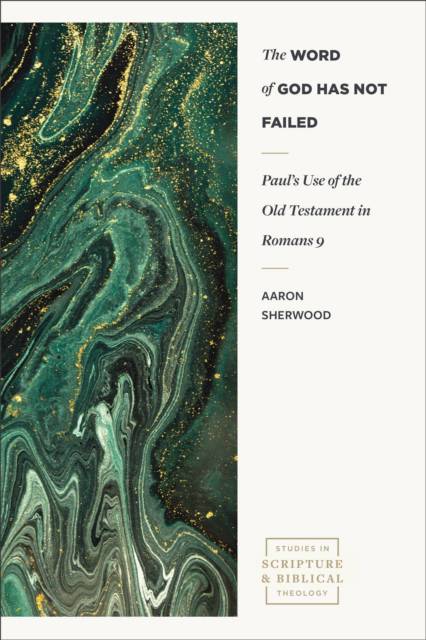
Debates rage over Paul's understanding of election in Romans 9-11. But is election really what Paul had in mind? Aaron Sherwood argues that this debate is foreign to Paul's purpose here. Paul primarily intended these passages to be a defense of God's covenantal faithfulness. In The Word of God Has Not Failed, Sherwood examines the first major passage of this section, Romans 9:6-20, giving special attention to the Old Testament Scriptures Paul used. It is vital to understand Paul's interpretation of these texts in order to understand the thrust of Paul's message. Sherwood shows how Paul viewed the rejection of the gospel by unbelieving Jews as idolatry, and the inclusion of believing Gentiles as a fulfillment of God's promises to Israel.
Specificaties
Betrokkenen
- Auteur(s):
- Uitgeverij:
Inhoud
- Aantal bladzijden:
- 192
- Taal:
- Engels
- Reeks:
Eigenschappen
- Productcode (EAN):
- 9781577996620
- Verschijningsdatum:
- 17/11/2015
- Uitvoering:
- Paperback
- Formaat:
- Trade paperback (VS)
- Afmetingen:
- 150 mm x 226 mm
- Gewicht:
- 272 g


Alleen bij Standaard Boekhandel
+ 86 punten op je klantenkaart van Standaard Boekhandel
Cadeau

AANGERADEN


Beoordelingen
We publiceren alleen reviews die voldoen aan de voorwaarden voor reviews. Bekijk onze voorwaarden voor reviews.