


- Afhalen na 1 uur in een winkel met voorraad
- Gratis thuislevering in België vanaf € 30
- Ruim aanbod met 7 miljoen producten
- Afhalen na 1 uur in een winkel met voorraad
- Gratis thuislevering in België vanaf € 30
- Ruim aanbod met 7 miljoen producten





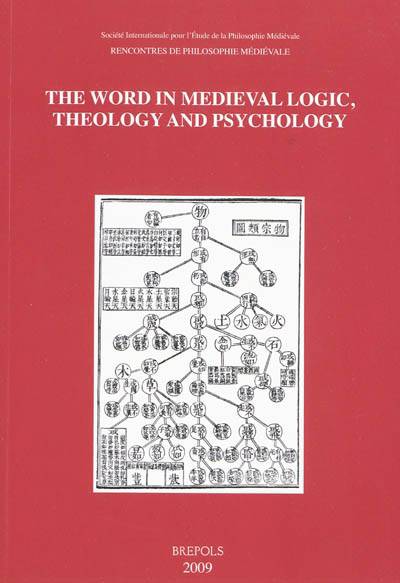
The word in medieval logic, theology and psychology
Congrès international de philosophie médiévale (13 ; 2005 ; Kyoto, Japon)
€ 58,30
+ 116 punten
Omschrijving
The holding of the 2005 annual colloquium of the SIEPM in Kyoto, Japan,
presented the opportunity to explore the very foundations of communication:
the word in all its aspects. Whether mental concepts, as Aristotle had
claimed, were the same for all people, whether from the East or the West;
how these mental concepts were transformed into words; how words affected
the concepts (e.g. in regard to the colour spectrum); how angels communicated
with one another, and whether any words were appropriate for talking
about God; whether words for things arise merely from convention, or have
an essential relationship to what they describe; what exactly do the words
for individuals, species and genera describe; why words can have powerful
effects; what is the relationship between the inner word and the spoken word.
The essays in this volume explore these questions largely from the texts of
medieval Western philosophers and theologians from Boethius to Meister
Eckhart, but some Hebrew and Arabic texts are also taken into consideration.
The contexts range from the lively debates in the Parisian schools of
the early twelfth century, through the subtle arguments of thirteenth and fourteenth
century scholars, to mystical writings of the fifteenth century. Running
as a thread through the essays are the translations and commentaries of
Boethius on the Vetus logica of Aristotle, and the divine word of the Bible.
The combination of contributions of Japanese scholars with both younger
and more established scholars from the Western tradition ensures a rich and
varied approach to this subject.
Specificaties
Betrokkenen
- Auteur(s):
- Uitgeverij:
Inhoud
- Aantal bladzijden:
- 440
- Taal:
- Frans
- Reeks:
- Reeksnummer:
- nr. 14
Eigenschappen
- Productcode (EAN):
- 9782503533193
- Verschijningsdatum:
- 6/01/2010
- Uitvoering:
- Paperback
- Formaat:
- Trade paperback (VS)
- Afmetingen:
- 170 mm x 240 mm
- Gewicht:
- 839 g


Alleen bij Standaard Boekhandel
+ 116 punten op je klantenkaart van Standaard Boekhandel
Cadeau

AANGERADEN


Beoordelingen
We publiceren alleen reviews die voldoen aan de voorwaarden voor reviews. Bekijk onze voorwaarden voor reviews.