


- Afhalen na 1 uur in een winkel met voorraad
- Gratis thuislevering in België vanaf € 30
- Ruim aanbod met 7 miljoen producten
- Afhalen na 1 uur in een winkel met voorraad
- Gratis thuislevering in België vanaf € 30
- Ruim aanbod met 7 miljoen producten





€ 18,45
+ 36 punten
Uitvoering
Omschrijving
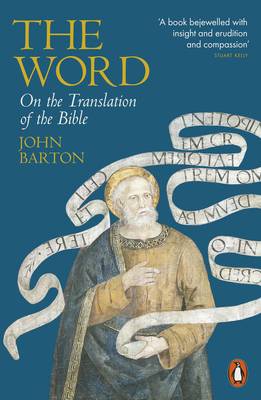
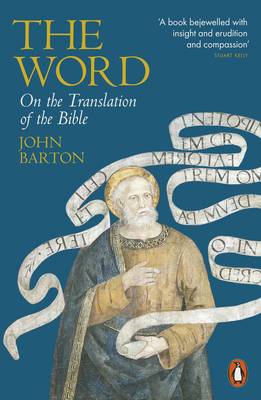
The Bible is held to be both universal and specific, the source of fundamental truths inscribed in words that are exact and sacred. For much of the history of Judaism and almost the entirety of Christianity, however, believers have overwhelmingly understood scripture not in the languages in which it was first written but rather in their own - in translation.
This book examines how saints, scholars and interpreters from ancient times down to the present have produced versions of the Bible in the language of their day while remaining true to the original. It explains the challenges they negotiated, from minute textual ambiguities up to the sweep of style and stark differences in form and thought between the earliest writings and the latest, and it exposes the bearing these have on some of the most profound questions of faith: the nature of God, the existence of the soul and possibility of its salvation.
Reading dozens of renderings alongside their ancient Hebrew and Greek antecedents, John Barton traces the migration of biblical words and ideas across linguistic borders, illuminating original meanings as well as the ways they were recast. 'Translators have been among the principal agents in mediating the Bible's message,' he writes, 'even in shaping what that message is.' At the separation of Christianity from Judaism and Protestantism from Catholicism, Barton demonstrates, vernacular versions did not only spring from fault lines in religious thinking but also inspired and moulded them. The product of a lifetime's study of scripture, The Word itself reveals the central book of our culture anew - as it was written and as we know it.
This book examines how saints, scholars and interpreters from ancient times down to the present have produced versions of the Bible in the language of their day while remaining true to the original. It explains the challenges they negotiated, from minute textual ambiguities up to the sweep of style and stark differences in form and thought between the earliest writings and the latest, and it exposes the bearing these have on some of the most profound questions of faith: the nature of God, the existence of the soul and possibility of its salvation.
Reading dozens of renderings alongside their ancient Hebrew and Greek antecedents, John Barton traces the migration of biblical words and ideas across linguistic borders, illuminating original meanings as well as the ways they were recast. 'Translators have been among the principal agents in mediating the Bible's message,' he writes, 'even in shaping what that message is.' At the separation of Christianity from Judaism and Protestantism from Catholicism, Barton demonstrates, vernacular versions did not only spring from fault lines in religious thinking but also inspired and moulded them. The product of a lifetime's study of scripture, The Word itself reveals the central book of our culture anew - as it was written and as we know it.
Specificaties
Betrokkenen
- Auteur(s):
- Uitgeverij:
Inhoud
- Aantal bladzijden:
- 320
- Taal:
- Engels
Eigenschappen
- Productcode (EAN):
- 9780141993041
- Verschijningsdatum:
- 2/11/2023
- Uitvoering:
- Paperback
- Afmetingen:
- 129 mm x 198 mm
- Gewicht:
- 236 g


Alleen bij Standaard Boekhandel
+ 36 punten op je klantenkaart van Standaard Boekhandel
Cadeau

AANGERADEN


Beoordelingen
We publiceren alleen reviews die voldoen aan de voorwaarden voor reviews. Bekijk onze voorwaarden voor reviews.