


- Afhalen na 1 uur in een winkel met voorraad
- Gratis thuislevering in België vanaf € 30
- Ruim aanbod met 7 miljoen producten
- Afhalen na 1 uur in een winkel met voorraad
- Gratis thuislevering in België vanaf € 30
- Ruim aanbod met 7 miljoen producten





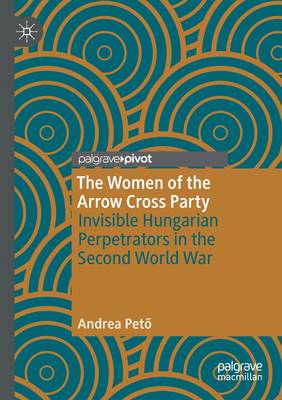
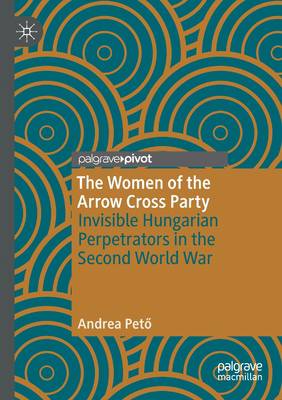
The Women of the Arrow Cross Party
Invisible Hungarian Perpetrators in the Second World War
Andrea Pető
Paperback | Engels
€ 64,95
+ 129 punten
Uitvoering
Omschrijving
This book analyses the actions, background, connections and the eventual trials of Hungarian female perpetrators in the Second World War through the concept of invisibility. It examines why and how far-right women in general and among them several Second World War perpetrators were made invisible by their fellow Arrow Cross Party members in the 1930s and during the war (1939-1945), and later by the Hungarian people's tribunals responsible for the purge of those guilty of war crimes (1945-1949). It argues that because of their 'invisibilization' the legacy of these women could remain alive throughout the years of state socialism and that, furthermore, this legacy has actively contributed to the recent insurgence of far-right politics in Hungary. This book therefore analyses how the invisibility of Second World War perpetrators is connected to twenty-first century memory politics and the present-day resurgence of far-right movements.
Specificaties
Betrokkenen
- Auteur(s):
- Uitgeverij:
Inhoud
- Aantal bladzijden:
- 96
- Taal:
- Engels
Eigenschappen
- Productcode (EAN):
- 9783030512279
- Verschijningsdatum:
- 4/09/2021
- Uitvoering:
- Paperback
- Formaat:
- Trade paperback (VS)
- Afmetingen:
- 148 mm x 210 mm
- Gewicht:
- 154 g


Alleen bij Standaard Boekhandel
+ 129 punten op je klantenkaart van Standaard Boekhandel
Cadeau

AANGERADEN


Beoordelingen
We publiceren alleen reviews die voldoen aan de voorwaarden voor reviews. Bekijk onze voorwaarden voor reviews.