


- Afhalen na 1 uur in een winkel met voorraad
- Gratis thuislevering in België vanaf € 30
- Ruim aanbod met 7 miljoen producten
- Afhalen na 1 uur in een winkel met voorraad
- Gratis thuislevering in België vanaf € 30
- Ruim aanbod met 7 miljoen producten





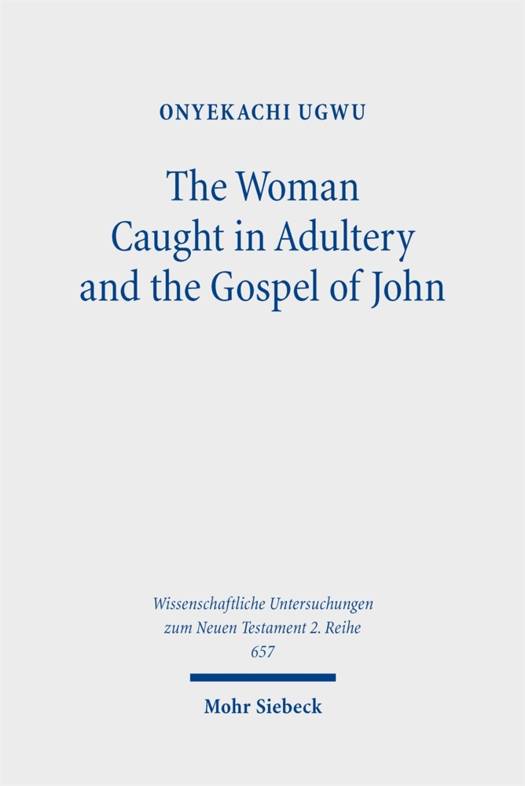
The Woman Caught in Adultery and the Gospel of John
Onyekachi Ugwu
€ 104,45
+ 208 punten
Omschrijving
Few passages in the New Testament have provoked as much debate as the pericope of the woman caught in adultery (John 7:53-8:11). Rejected by some as spurious and regarded by others as problematic, it has often been silenced by questions of authenticity. Onyekachi Ugwu reopens the discussion by applying narrative analysis supported by socio-historical criticism. His study situates the episode within the literary and theological structure of the Gospel of John, demonstrating that it resonates deeply with the Gospel's central motifs. The woman placed before her accusers becomes a symbolic figure for Jesus himself - both stand in the middle, both face judgment, and both reveal the failure of human justice. The author argues that the narrative was transmitted orally and later incorporated by Johannine scribes in full consistency with their theological outlook. Through this perspective, the pericope emerges as an integral part of the Gospel's portrayal of conflict between light and darkness. Rather than a textual anomaly, it is a scene of revelation: a moment where divine mercy confronts human hypocrisy and anticipates the triumph of the cross.
Specificaties
Betrokkenen
- Auteur(s):
- Uitgeverij:
Inhoud
- Aantal bladzijden:
- 320
- Taal:
- Engels
- Reeks:
Eigenschappen
- Productcode (EAN):
- 9783161642364
- Verschijningsdatum:
- 31/03/2026
- Uitvoering:
- Paperback
- Formaat:
- Trade paperback (VS)
- Afmetingen:
- 155 mm x 231 mm
- Gewicht:
- 557 g


Alleen bij Standaard Boekhandel
+ 208 punten op je klantenkaart van Standaard Boekhandel
Cadeau

AANGERADEN


Beoordelingen
We publiceren alleen reviews die voldoen aan de voorwaarden voor reviews. Bekijk onze voorwaarden voor reviews.