


- Afhalen na 1 uur in een winkel met voorraad
- Gratis thuislevering in België vanaf € 30
- Ruim aanbod met 7 miljoen producten
- Afhalen na 1 uur in een winkel met voorraad
- Gratis thuislevering in België vanaf € 30
- Ruim aanbod met 7 miljoen producten





€ 63,45
+ 126 punten
Omschrijving
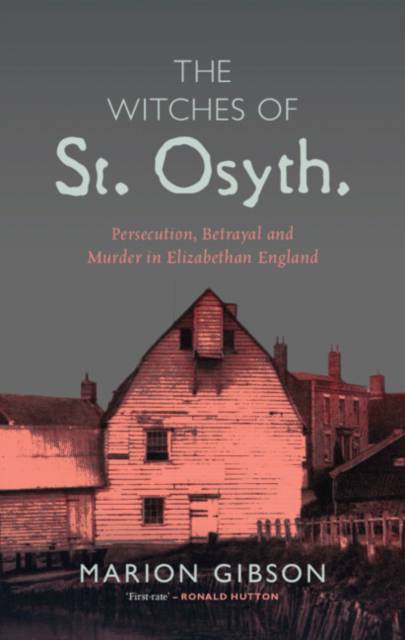
An emotive, haunting story of a community torn apart, the Essex witch accusations and trial of 1581-2 are, taken together, one of the pivotal instances of that malign and destructive wave of misogynistic persecution which periodically broke over early modern England. Yet, for all their importance in the overall study of witchcraft, the so-called witches of St Osyth have largely been overlooked by scholars. Marion Gibson now sets right that neglect. Using fresh archival sources - and investigating not just the village itself, but also its neighbouring Elizabethan hamlets and habitations - the author offers revelatory new insights into the sixteen women and one man accused of sorcery while asking wider, provocative questions about the way history is recollected and interpreted. Combining landscape detective work, a reconstruction of lost spaces and authoritative readings of crucial documents, Gibson skilfully unlocks the poignant personal histories of those denied the chance to speak for themselves.
Specificaties
Betrokkenen
- Auteur(s):
- Uitgeverij:
Inhoud
- Aantal bladzijden:
- 256
- Taal:
- Engels
Eigenschappen
- Productcode (EAN):
- 9781108494670
- Verschijningsdatum:
- 22/12/2022
- Uitvoering:
- Hardcover
- Formaat:
- Genaaid
- Afmetingen:
- 134 mm x 212 mm
- Gewicht:
- 566 g


Alleen bij Standaard Boekhandel
+ 126 punten op je klantenkaart van Standaard Boekhandel
Cadeau

AANGERADEN


Beoordelingen
We publiceren alleen reviews die voldoen aan de voorwaarden voor reviews. Bekijk onze voorwaarden voor reviews.