


- Afhalen na 1 uur in een winkel met voorraad
- Gratis thuislevering in België vanaf € 30
- Ruim aanbod met 7 miljoen producten
- Afhalen na 1 uur in een winkel met voorraad
- Gratis thuislevering in België vanaf € 30
- Ruim aanbod met 7 miljoen producten





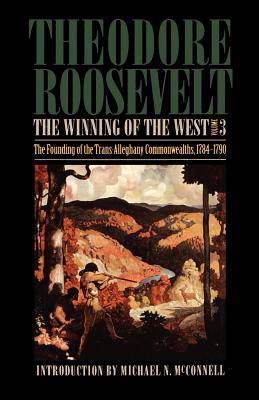
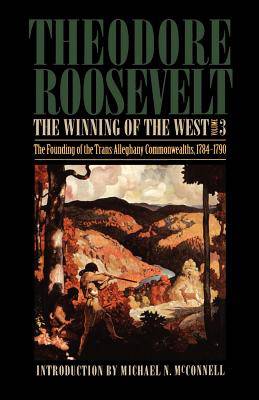
The Winning of the West, Volume 3
The Founding of the Trans-Alleghany Commonwealths, 1784-1790
Theodore Roosevelt
Paperback | Engels
€ 39,95
+ 79 punten
Omschrijving
After political defeats and the loss of half his capital in a ranching venture in North Dakota, Theodore Roosevelt began writing his ambitious history of the conquest of the American West in 1888. He projected a sweeping drama, well documented and filled with Americans fighting Indian confederacies north and south while dealing with the machinations of the British, French, and Spanish and their sympathizers. Roosevelt wanted to show how backwoodsmen such as Daniel Boone and Simon Kenton, followed by hardy pioneer settlers, gave the United States eventual claim to land west of the Alleghanies. Heroism and treachery among both the whites and the Indians can be seen in his rapidly shifting story of a people on the move. By force and by treaty the new nation was established in the East, and when the explorers and settlers pushed against the Mississippi, everything west of the river was considered part of that nation. This volume continues with the westward immigration via wilderness trails and keelboats on the Ohio. Roosevelt gives the whole unsettled picture after the Revolution, describing the separatist movement, the threat posed by the Spanish possessions, skirmishes with Indians incited by the British operating fur posts on the Great Lakes, the differences in the struggles for the Northwest and the Southwest and in their pioneering stock.
Specificaties
Betrokkenen
- Auteur(s):
- Uitgeverij:
Inhoud
- Aantal bladzijden:
- 339
- Taal:
- Engels
Eigenschappen
- Productcode (EAN):
- 9780803289567
- Verschijningsdatum:
- 1/05/1995
- Uitvoering:
- Paperback
- Formaat:
- Trade paperback (VS)
- Afmetingen:
- 142 mm x 216 mm
- Gewicht:
- 467 g


Alleen bij Standaard Boekhandel
+ 79 punten op je klantenkaart van Standaard Boekhandel
Cadeau

AANGERADEN


Beoordelingen
We publiceren alleen reviews die voldoen aan de voorwaarden voor reviews. Bekijk onze voorwaarden voor reviews.