



Je cadeautjes zeker op tijd in huis hebben voor de feestdagen? Kom langs in onze winkels en vind het perfecte geschenk!
- Afhalen na 1 uur in een winkel met voorraad
- Gratis thuislevering in België vanaf € 30
- Ruim aanbod met 7 miljoen producten
Je cadeautjes zeker op tijd in huis hebben voor de feestdagen? Kom langs in onze winkels en vind het perfecte geschenk!
- Afhalen na 1 uur in een winkel met voorraad
- Gratis thuislevering in België vanaf € 30
- Ruim aanbod met 7 miljoen producten





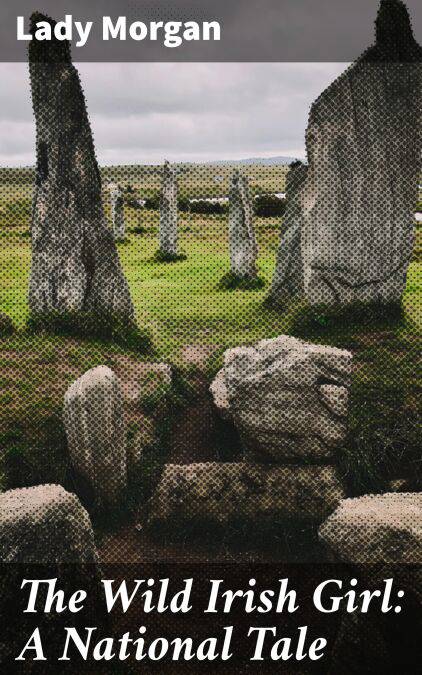
The Wild Irish Girl: A National Tale E-BOOK
A Nationalistic Tale of Love, Freedom, and Identity
Lady Morgan
E-book | Engels
€ 0,49
Omschrijving
In "The Wild Irish Girl: A National Tale," Lady Morgan weaves a captivating narrative that explores themes of nationalism, identity, and cultural representation in early 19th-century Ireland. Written in a rich, lyrical style characteristic of Romantic literature, the novel presents a compelling portrait of Irish life through the eyes of its heroine, Glorvina, whose journey from innocence to self-awareness embodies the tensions between tradition and modernity. The narrative unfolds within a national context, reflecting the burgeoning consciousness of Irish identity amidst the socio-political upheaval of the period, utilizing a mix of firsthand experience and folklore to create an engaging tapestry of Irish culture. Lady Morgan, a prominent literary figure of her time, was deeply influenced by her Irish heritage and her advocacy for Irish rights. Born in Dublin and well-versed in the cultural and political climate of her homeland, she used her literary prowess to offer a voice to Ireland's struggles and to challenge prevailing stereotypes. Her own experiences, including her travels and insights into the lives of women in a patriarchal society, informed her depiction of Glorvina's spirited character, making this tale both a personal and political commentary. This book is highly recommended for readers interested in Irish literature, the Romantic movement, and narratives that interrogate national identity and gender politics. Lady Morgan's eloquent prose and insightful characterizations invite readers to reflect on the intersection of personal and national narratives, making "The Wild Irish Girl" an essential read for anyone seeking to appreciate Ireland's literary heritage.
Specificaties
Betrokkenen
- Auteur(s):
- Uitgeverij:
Inhoud
- Aantal bladzijden:
- 417
- Taal:
- Engels
Eigenschappen
- Productcode (EAN):
- 4057664648488
- Verschijningsdatum:
- 20/11/2019
- Uitvoering:
- E-book
- Beveiligd met:
- Digital watermarking
- Formaat:
- ePub


Alleen bij Standaard Boekhandel
CADEAU


Beoordelingen
We publiceren alleen reviews die voldoen aan de voorwaarden voor reviews. Bekijk onze voorwaarden voor reviews.