


- Afhalen na 1 uur in een winkel met voorraad
- Gratis thuislevering in België vanaf € 30
- Ruim aanbod met 7 miljoen producten
- Afhalen na 1 uur in een winkel met voorraad
- Gratis thuislevering in België vanaf € 30
- Ruim aanbod met 7 miljoen producten





€ 254,45
+ 508 punten
Omschrijving
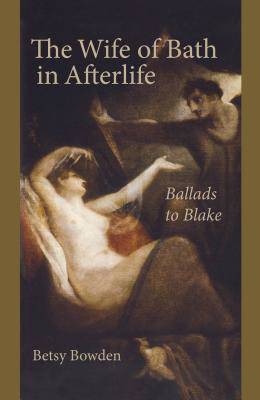
By focusing on one literary character, as interpreted in both verbal art and visual art at a point midway in time between the author's era and our own, this study applies methodology appropriate for overcoming limitations posed by historical periodization and by isolation among academic specialities. Current trends in Chaucer scholarship call for diachronic afterlife studies like this one, sometimes termed "medievalism." So far, however, nearly all such work by-passes the eighteenth century (here designated 1660-1810). Furthermore, medieval authors' afterlives during any time period have not been analyzed by way of the multiple fields of specialization integrated into this study. The Wife of Bath is regarded through the disciplinary lenses of eighteenth-century literature, visual art, print marketing, education, folklore, music, equitation, and especially theater both in London and on the Continent.
Specificaties
Betrokkenen
- Auteur(s):
- Uitgeverij:
Inhoud
- Aantal bladzijden:
- 416
- Taal:
- Engels
- Reeks:
Eigenschappen
- Productcode (EAN):
- 9781611462432
- Verschijningsdatum:
- 25/10/2017
- Uitvoering:
- Hardcover
- Formaat:
- Genaaid
- Afmetingen:
- 155 mm x 231 mm
- Gewicht:
- 839 g


Alleen bij Standaard Boekhandel
+ 508 punten op je klantenkaart van Standaard Boekhandel
Cadeau

AANGERADEN


Beoordelingen
We publiceren alleen reviews die voldoen aan de voorwaarden voor reviews. Bekijk onze voorwaarden voor reviews.