


- Afhalen na 1 uur in een winkel met voorraad
- Gratis thuislevering in België vanaf € 30
- Ruim aanbod met 7 miljoen producten
- Afhalen na 1 uur in een winkel met voorraad
- Gratis thuislevering in België vanaf € 30
- Ruim aanbod met 7 miljoen producten





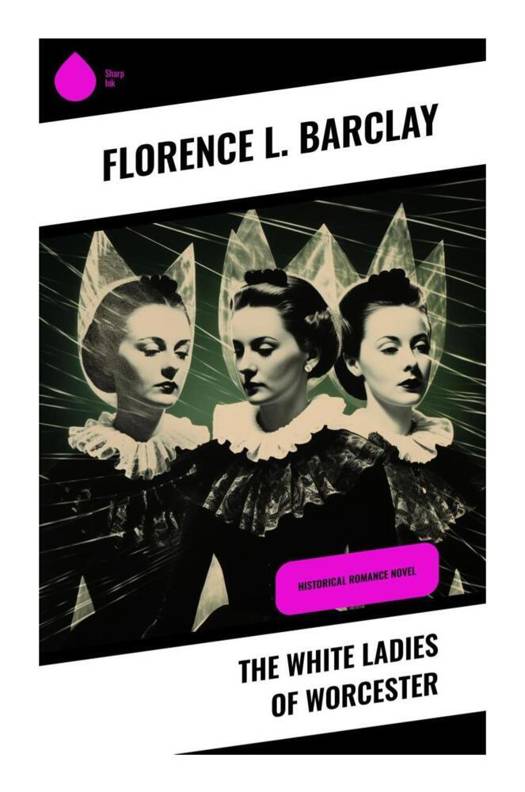
The White Ladies of Worcester
A Medieval English Romance of Convent Walls, Chivalric Duty, Forbidden Love, and Faithful Sacrifice
Florence L. Barclay
Paperback | Engels
€ 13,95
+ 27 punten
Eenvoudig bestellen
Veilig betalen


Gratis thuislevering vanaf € 30 (via bpost)
Gratis levering in je Standaard Boekhandel
Omschrijving
The White Ladies of Worcester is a historical romance set amid the spiritual and social textures of medieval England, where convent walls, chivalric obligation, and inward longing shape the destinies of its characters. Barclay blends devotional atmosphere with the conventions of courtly romance, using a lucid, emotionally heightened prose style characteristic of early twentieth-century popular fiction. The novel's interest lies not merely in plot, but in its negotiation between religious vocation and human affection, placing it within a tradition of romantic medievalism that looks back to a vanished age in order to examine moral choice. Florence L. Barclay, best known for The Rosary, brought to her fiction a strong concern with faith, sacrifice, and the redemptive power of love. The daughter of an Anglican clergyman and the wife of one, she was deeply familiar with religious language and pastoral ideals. Her spiritual background helps explain the novel's sympathetic treatment of conscience, renunciation, and grace. This book is recommended to readers who enjoy historical fiction with a contemplative temper, where romance is inseparable from ethical seriousness. It will especially appeal to those interested in women's spiritual lives, medieval settings, and fiction that unites sentiment with sincere moral inquiry.
Specificaties
Betrokkenen
- Auteur(s):
- Uitgeverij:
Inhoud
- Taal:
- Engels
Eigenschappen
- Productcode (EAN):
- 9788028331603
- Uitvoering:
- Paperback
- Afmetingen:
- 152 mm x 229 mm
- Gewicht:
- 312 g



Alleen bij Standaard Boekhandel
+ 27 punten op je klantenkaart van Standaard Boekhandel
CADEAU

AANGERADEN


Beoordelingen
We publiceren alleen reviews die voldoen aan de voorwaarden voor reviews. Bekijk onze voorwaarden voor reviews.