


- Afhalen na 1 uur in een winkel met voorraad
- Gratis thuislevering in België vanaf € 30
- Ruim aanbod met 7 miljoen producten
- Afhalen na 1 uur in een winkel met voorraad
- Gratis thuislevering in België vanaf € 30
- Ruim aanbod met 7 miljoen producten





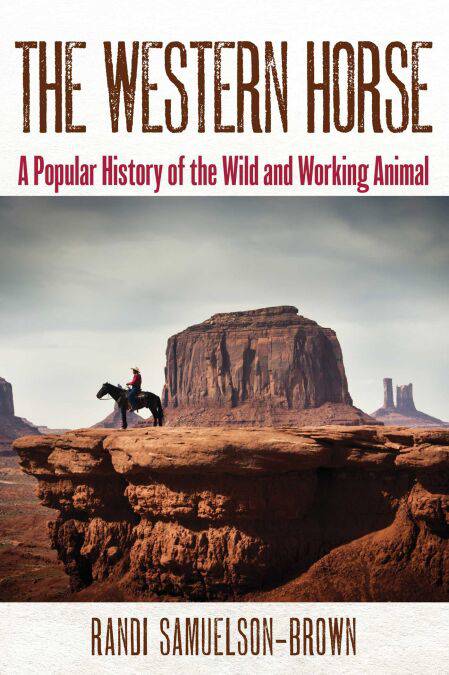
The Western Horse E-BOOK
A Popular History of the Wild and Working Animal
Randi Samuelson-Brown
E-book | Engels
€ 19,00
+ 19 punten
Uitvoering
Omschrijving
2025 SPUR AWARDS FINALIST
This book celebrates the history and culture of the western horse, its ability to capture the popular imagination, and the means by which it has come to symbolize the American West.
Beginning in the 1500s, The Western Horse delves into the origins and variations of the western breeds, their role in the expansion and settlement of the West, and the lawless element they attracted. The 1800s is when the stereotypes of Western Americana flourish accompanied by the ever-present horse. The mounted Plains tribes, cavalry, Pony Express, pioneers, stock detectives, cowboys, horse thieves, and the iconic rodeos come into perspective.
The book dispels some of the falsehoods of the western horse and replace those inaccuracies with interesting facts. Case in point: many people grow up believing that the wild mustangs are the offspring the conquistador’s horses. While that belief is partially true, it is also partially incorrect. While the conquistadors returned with horses re-introducing them to the American landmass, the Spaniards only rode stallions. The progenitors of the mustangs likely occurred a bit later—lost stock of the Spanish settlers and the missions that returned into the wild.
This book celebrates the history and culture of the western horse, its ability to capture the popular imagination, and the means by which it has come to symbolize the American West.
Beginning in the 1500s, The Western Horse delves into the origins and variations of the western breeds, their role in the expansion and settlement of the West, and the lawless element they attracted. The 1800s is when the stereotypes of Western Americana flourish accompanied by the ever-present horse. The mounted Plains tribes, cavalry, Pony Express, pioneers, stock detectives, cowboys, horse thieves, and the iconic rodeos come into perspective.
The book dispels some of the falsehoods of the western horse and replace those inaccuracies with interesting facts. Case in point: many people grow up believing that the wild mustangs are the offspring the conquistador’s horses. While that belief is partially true, it is also partially incorrect. While the conquistadors returned with horses re-introducing them to the American landmass, the Spaniards only rode stallions. The progenitors of the mustangs likely occurred a bit later—lost stock of the Spanish settlers and the missions that returned into the wild.
Specificaties
Betrokkenen
- Auteur(s):
- Uitgeverij:
Inhoud
- Aantal bladzijden:
- 210
- Taal:
- Engels
Eigenschappen
- Productcode (EAN):
- 9781493073856
- Verschijningsdatum:
- 31/08/2024
- Uitvoering:
- E-book
- Beveiligd met:
- Adobe DRM
- Formaat:
- ePub



Alleen bij Standaard Boekhandel
+ 19 punten op je klantenkaart van Standaard Boekhandel
Cadeau

AANGERADEN


Beoordelingen
We publiceren alleen reviews die voldoen aan de voorwaarden voor reviews. Bekijk onze voorwaarden voor reviews.