


- Afhalen na 1 uur in een winkel met voorraad
- Gratis thuislevering in België vanaf € 30
- Ruim aanbod met 7 miljoen producten
- Afhalen na 1 uur in een winkel met voorraad
- Gratis thuislevering in België vanaf € 30
- Ruim aanbod met 7 miljoen producten





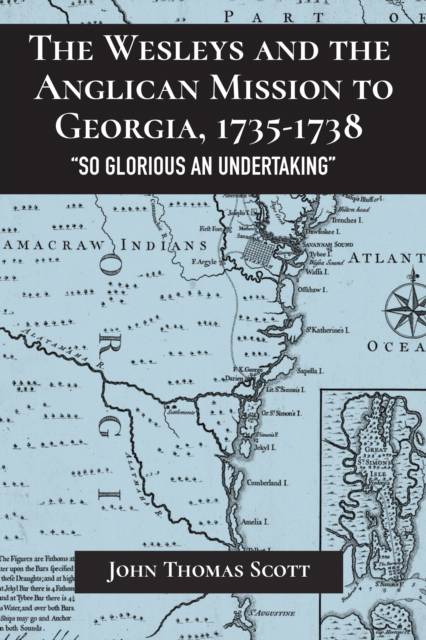
The Wesleys and the Anglican Mission to Georgia, 1735-1738
So Glorious an Undertaking
John Thomas Scott
€ 254,45
+ 508 punten
Omschrijving
The Wesleys and the Anglican Mission to Georgia, 1735-1738 considers the fascinating early history of a small group of men commissioned by trustees in England to spread Protestantism both to new settlers and indigenous people living in Georgia. Four minister-missionaries arrived in 1736, but after only two years these men detached themselves from the colonial enterprise, and the Mission effectively ended in 1738. Tracing the rise and fall of this endeavor, Scott's study focuses on key figures in the history of the Mission including the layman, Charles Delamotte, and the ministers, John and Charles Wesley, Benjamin Ingham, and George Whitefield. In Scott's innovative historical approach, neglected archival sources generate a detailed narrative account that reveals how these men's personal experiences and personal networks had a significant impact on the inner-workings and trajectory of the Mission. The original group of missionaries who traveled to Georgia was composed of men already bound together by family relations, friendships, and shared lines of mentorship. Once in the colony, the missionaries' prospects altered as they developed close ties with other missionaries (including a group of Moravians) and other settlers (John Wesley returned to England after his romantic relationship with Sophy Hopkey soured). Structures of imperialism, class, and race underlying colonial ideology informed the Anglican Mission in the era of trustee Georgia. The Wesleys and the Anglican Mission to Georgia enriches this historical picture by illuminating how a different set of intricacies, rooted in personal dynamics, was also integral to the events of this period. In Scott's study, the history of the expansive eighteenth-century Atlantic world emerges as a riveting account of life unfolding on a local and individual level.
Specificaties
Betrokkenen
- Auteur(s):
- Uitgeverij:
Inhoud
- Aantal bladzijden:
- 390
- Taal:
- Engels
- Reeks:
Eigenschappen
- Productcode (EAN):
- 9781611463101
- Verschijningsdatum:
- 23/10/2020
- Uitvoering:
- Hardcover
- Formaat:
- Genaaid
- Afmetingen:
- 152 mm x 229 mm
- Gewicht:
- 689 g


Alleen bij Standaard Boekhandel
+ 508 punten op je klantenkaart van Standaard Boekhandel
Cadeau

AANGERADEN


Beoordelingen
We publiceren alleen reviews die voldoen aan de voorwaarden voor reviews. Bekijk onze voorwaarden voor reviews.