


- Afhalen na 1 uur in een winkel met voorraad
- Gratis thuislevering in België vanaf € 30
- Ruim aanbod met 7 miljoen producten
- Afhalen na 1 uur in een winkel met voorraad
- Gratis thuislevering in België vanaf € 30
- Ruim aanbod met 7 miljoen producten





€ 198,45
+ 396 punten
Omschrijving
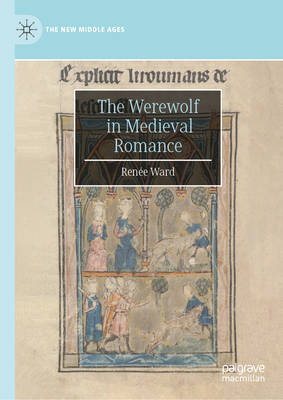
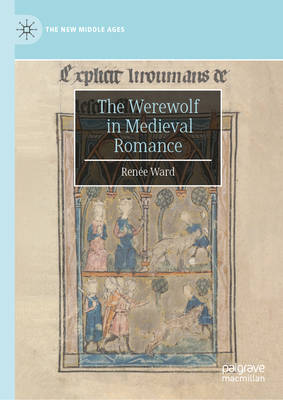
The Werewolf in Medieval Romance argues that in Guillaume de Palerne, Bisclavret, Arthur and Gorlagon, Melion, William of Palerne, and Biclarel the werewolf's identity incorporates a variety of assemblages, including human and animal bodies, and physical spaces and the animate and inanimate beings or objects therein. Whether in lupine or human form, the werewolf's identity is a perpetual becoming, one with extensive queer, and thus disruptive, potential. Additionally, the werewolf's identity incorporates political systems and violence, specifically through his status as a knight, prince, and/or king. He is an expression of sovereign power and an extension of the identity the sovereign presents, often functioning as a blunt instrument of the crown.
Specificaties
Betrokkenen
- Auteur(s):
- Uitgeverij:
Inhoud
- Aantal bladzijden:
- 264
- Taal:
- Engels
- Reeks:
Eigenschappen
- Productcode (EAN):
- 9781137501547
- Verschijningsdatum:
- 27/09/2025
- Uitvoering:
- Hardcover
- Formaat:
- Genaaid
- Afmetingen:
- 157 mm x 213 mm
- Gewicht:
- 480 g


Alleen bij Standaard Boekhandel
+ 396 punten op je klantenkaart van Standaard Boekhandel
Cadeau

AANGERADEN


Beoordelingen
We publiceren alleen reviews die voldoen aan de voorwaarden voor reviews. Bekijk onze voorwaarden voor reviews.