


- Afhalen na 1 uur in een winkel met voorraad
- Gratis thuislevering in België vanaf € 30
- Ruim aanbod met 7 miljoen producten
- Afhalen na 1 uur in een winkel met voorraad
- Gratis thuislevering in België vanaf € 30
- Ruim aanbod met 7 miljoen producten





Omschrijving
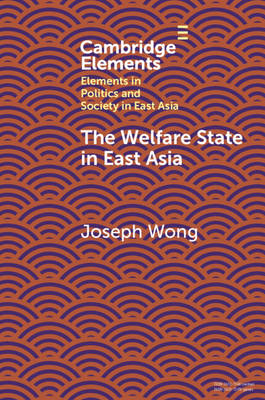
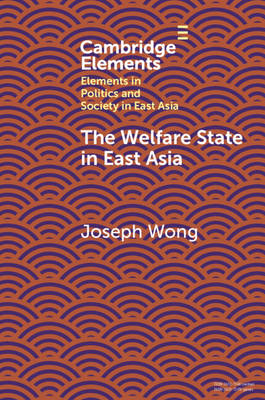
During the postwar period, Japan, Taiwan and South Korea emerged as industrial and democratic exemplars in the East Asia region. A less well-known story is of their equally remarkable achievements in social policy reform and the formation of welfare states. Section 1 of the Element provides an overview of welfare state deepening in Japan, Taiwan and Korea and an account of why and how the developmental states institutionalized the social insurance model. Section 2 examines the drivers of social welfare universalization in Japan, Taiwan and Korea, notably the importance of democratization. Section 3 focuses on emerging challenges to the East Asian welfare state and how it has adapted. Though Japan, South Korea and Taiwan evolved their welfare states in a distinctive way historically, the current challenges they face and their responses have converged with other developed, post-industrial democracies.
Specificaties
Betrokkenen
- Auteur(s):
- Uitgeverij:
Inhoud
- Aantal bladzijden:
- 82
- Taal:
- Engels
- Reeks:
Eigenschappen
- Productcode (EAN):
- 9781108814799
- Verschijningsdatum:
- 6/02/2025
- Uitvoering:
- Paperback
- Formaat:
- Trade paperback (VS)
- Afmetingen:
- 152 mm x 229 mm
- Gewicht:
- 122 g


Alleen bij Standaard Boekhandel
+ 72 punten op je klantenkaart van Standaard Boekhandel
Cadeau

AANGERADEN


Beoordelingen
We publiceren alleen reviews die voldoen aan de voorwaarden voor reviews. Bekijk onze voorwaarden voor reviews.