



Bedankt voor het vertrouwen het afgelopen jaar! Om jou te bedanken bieden we GRATIS verzending (in België) aan op alles gedurende de hele maand januari.
- Afhalen na 1 uur in een winkel met voorraad
- In januari gratis thuislevering in België
- Ruim aanbod met 7 miljoen producten
Bedankt voor het vertrouwen het afgelopen jaar! Om jou te bedanken bieden we GRATIS verzending (in België) aan op alles gedurende de hele maand januari.
- Afhalen na 1 uur in een winkel met voorraad
- In januari gratis thuislevering in België
- Ruim aanbod met 7 miljoen producten





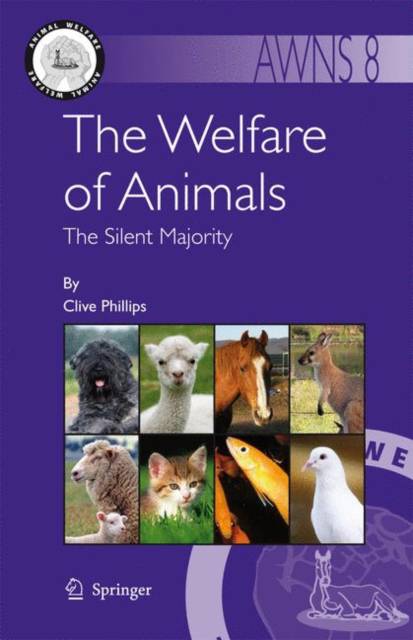
Omschrijving
The Welfare of Animals is an exciting book that will stimulate and provoke its readers. It describes many problems faced by animals - those we use for food, for pleasure or in research, and those simply but harshly affected by shrinking habitats in the face of the ever-growing human population. And yet it is not a depressing read. It focuses not only on the difficulties that animals face, but on their capacity for free-choice, for joy and excitement, and on the possible ways in which the planet can be shared between species if only we take the time and trouble to think more carefully about the impact of our actions. Clive Phillips moved from the United Kingdom to take up a Foundation Chair in Animal Welfare at the University of Queensland, becoming Australia's first Professor of Animal Welfare in 2003. This cultural leap, combined with his travels in countries like Malaysia and Borneo, permits him the unique and broad perspective that forms the backbone of this book. Eschewing the normal territory patrolled by the animal scientist (explaining the physiological basis of the stress response or causation of abnormal behaviour), Clive ventures into jungles and deserts, city centres and tribal homelands, and presents a book that remarkably and successfully combines travel-diary, nature notes, social and cultural history.
Specificaties
Betrokkenen
- Auteur(s):
- Uitgeverij:
Inhoud
- Aantal bladzijden:
- 220
- Taal:
- Engels
- Reeks:
- Reeksnummer:
- nr. 8
Eigenschappen
- Productcode (EAN):
- 9781402092183
- Verschijningsdatum:
- 18/11/2008
- Uitvoering:
- Hardcover
- Formaat:
- Genaaid
- Afmetingen:
- 156 mm x 234 mm
- Gewicht:
- 517 g


Alleen bij Standaard Boekhandel
+ 419 punten op je klantenkaart van Standaard Boekhandel
SOLDEN


Beoordelingen
We publiceren alleen reviews die voldoen aan de voorwaarden voor reviews. Bekijk onze voorwaarden voor reviews.