


- Afhalen na 1 uur in een winkel met voorraad
- Gratis thuislevering in België vanaf € 30
- Ruim aanbod met 7 miljoen producten
- Afhalen na 1 uur in een winkel met voorraad
- Gratis thuislevering in België vanaf € 30
- Ruim aanbod met 7 miljoen producten





€ 25,95
+ 51 punten
Omschrijving
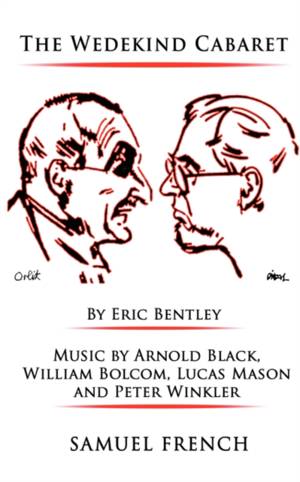
Translated and adapted by Eric BentleyMusic by Arnold Black William Bolcom Lucas Mason and Peter WinklerFlexible casting 1m. 1f. or expanded to more actors as needed /Musical RevueA first draft of this entertainment was produced at The Ballroom in New York City in 1994 starring Alvin Epstein and directed by Isaiah Sheffer. Howard Kissel Daily News commented: "Bentley's pungent translations of Wedekind's lyrics have been set deftly by three composers Arnold Black William Bolcom and Peter Winkler... Tingle Tangle [as the work was then called] is well performed and invariably fascinating."For the Wedekind renaissance of the 21st century Eric Bentley has re-arranged the material and added to it. The piece now consists of two cabaret programs which could be performed together in one long evening or separately. The first program is framed by two Bentley ballads telling the stories of Spring's Awakening and The First Lulu respectively. Within that frame is a varied series of Wedekind songs and spoken poems. The second program is framed by two Wedekind short stories neither of them ever before presented on an American (or any other) stage. Within this second frame come poems and songs in which we meet another Wedekind a wild poet who also had a tender even elegiac side. The two-part show ends with a song by Eric Bentley and Arnold Black which celebrates not Wedekind the rebel but Wedekind the artist.
Specificaties
Betrokkenen
- Auteur(s):
- Uitgeverij:
Inhoud
- Aantal bladzijden:
- 72
- Taal:
- Engels
Eigenschappen
- Productcode (EAN):
- 9780573660252
- Verschijningsdatum:
- 30/04/2008
- Uitvoering:
- Paperback
- Formaat:
- Trade paperback (VS)
- Afmetingen:
- 127 mm x 203 mm
- Gewicht:
- 81 g


Alleen bij Standaard Boekhandel
+ 51 punten op je klantenkaart van Standaard Boekhandel
Cadeau

AANGERADEN


Beoordelingen
We publiceren alleen reviews die voldoen aan de voorwaarden voor reviews. Bekijk onze voorwaarden voor reviews.