


- Afhalen na 1 uur in een winkel met voorraad
- Gratis thuislevering in België vanaf € 30
- Ruim aanbod met 7 miljoen producten
- Afhalen na 1 uur in een winkel met voorraad
- Gratis thuislevering in België vanaf € 30
- Ruim aanbod met 7 miljoen producten





€ 135,95
+ 271 punten
Omschrijving
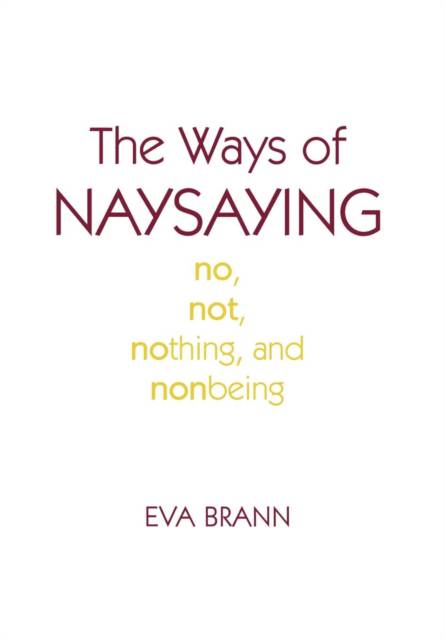
No, that diminutive but independent vocable, begins its great role early in human life and never loses it. For not only can it head a negative sentence, announcing its judgement, or answer a question, implying its negated content, it can, and mostly does, in the beginning of speech, express an assertion of the resistant will-sometimes just that and nothing more. The adult antiphony to the toddler's incessant no is another no, that of preventive command, and the great commandments of later life continue to be prohibitions: Nine of the Ten Commandments are in the negative. Eva Brann explores nothingness in the third book of her trilogy, which has treated imagination, time and now naysaying. If we want to understand something of imagination, memory and time, she argues, we must mount an inquiry into what it means to say something is not what it claims to be or is not there or is nonexistent or is affected by Nonbeing.
Specificaties
Betrokkenen
- Auteur(s):
- Uitgeverij:
Inhoud
- Aantal bladzijden:
- 272
- Taal:
- Engels
Eigenschappen
- Productcode (EAN):
- 9780742512283
- Verschijningsdatum:
- 17/01/2001
- Uitvoering:
- Hardcover
- Formaat:
- Genaaid
- Afmetingen:
- 152 mm x 229 mm
- Gewicht:
- 548 g


Alleen bij Standaard Boekhandel
+ 271 punten op je klantenkaart van Standaard Boekhandel
Cadeau

AANGERADEN


Beoordelingen
We publiceren alleen reviews die voldoen aan de voorwaarden voor reviews. Bekijk onze voorwaarden voor reviews.