


- Afhalen na 1 uur in een winkel met voorraad
- Gratis thuislevering in België vanaf € 30
- Ruim aanbod met 7 miljoen producten
- Afhalen na 1 uur in een winkel met voorraad
- Gratis thuislevering in België vanaf € 30
- Ruim aanbod met 7 miljoen producten





€ 8,95
+ 17 punten
Omschrijving
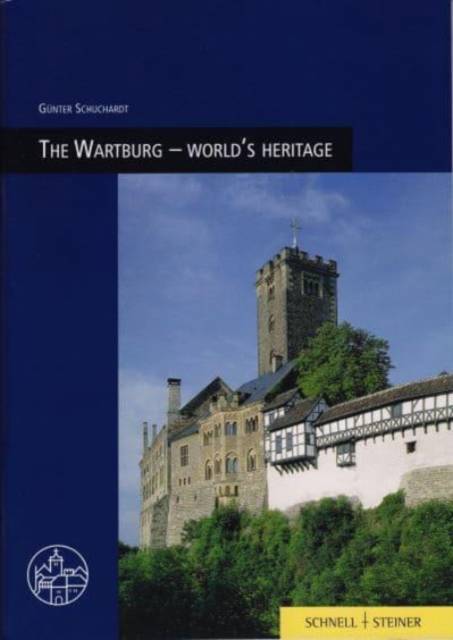
The Wartburg stands for several important periods of German history. It is a medieval hilltop castle, representing the power of the mighty landgraves of Thuringia in the 11th to 13th centuries. Here, Elizabeth, the daughter of the King of Hungary, grew up as the fiancée and later consort of Ludwig IV. She was to be one of the was to be one of the best-loved saints of the Middle Ages. It was at the Wartburg that Martin Luther translated the New Testament, creating the foundations of the Protestant faith and at the same time standardizing the German language. In 1817, students met at the Wartburg assembly of the student corporations; their demands paved the way for German unity. The Romantics restored the buildings, realizing their own ideas of a medieval castle in the 19th century. After 1949, the Wartburg marked the inner-German border, and after reunification visitors came from all over the world and from both sides of the former Iron Curtain, including the president of the USA. In December 1999, UNESCO put the Wartburg on the World Cultural Heritage list.
Specificaties
Betrokkenen
- Auteur(s):
- Illustrator(s):
- Uitgeverij:
Inhoud
- Aantal bladzijden:
- 64
- Taal:
- Duits
- Reeks:
- Reeksnummer:
- nr. 4
Eigenschappen
- Productcode (EAN):
- 9783795413972
- Verschijningsdatum:
- 11/09/2015
- Afmetingen:
- 148 mm x 210 mm
- Gewicht:
- 158 g


Alleen bij Standaard Boekhandel
+ 17 punten op je klantenkaart van Standaard Boekhandel
Cadeau

AANGERADEN


Beoordelingen
We publiceren alleen reviews die voldoen aan de voorwaarden voor reviews. Bekijk onze voorwaarden voor reviews.