


- Afhalen na 1 uur in een winkel met voorraad
- Gratis thuislevering in België vanaf € 30
- Ruim aanbod met 7 miljoen producten
- Afhalen na 1 uur in een winkel met voorraad
- Gratis thuislevering in België vanaf € 30
- Ruim aanbod met 7 miljoen producten





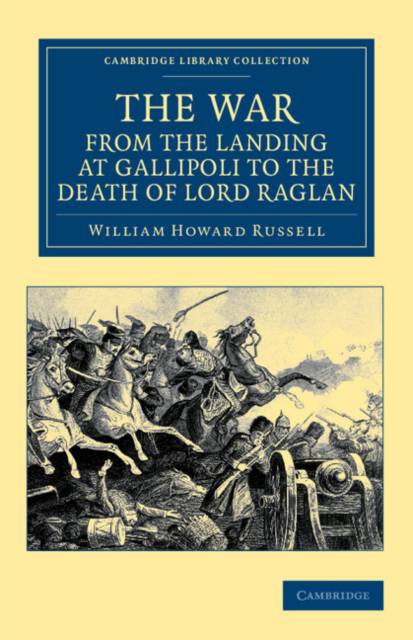
The War, from the Landing at Gallipoli to the Death of Lord Raglan
William Howard Russell
€ 104,95
+ 209 punten
Omschrijving
The journalist William Howard Russell (1820-1907) is sometimes regarded as being the first war correspondent, and his reports from the conflict in the Crimea are also credited with being a cause of reforms made to the British military system. Published in 1855, during the late stages of the conflict, this is a collection of eye-witness reports originally printed in The Times newspaper, including the famous account, from 25 October 1854, of the Charge of the Light Brigade during the Battle of Balaclava, and the other engagement on the same day which gave rise to the phrase 'the thin red line'. Russell's accounts are unflinching in their dramatic descriptions of the appalling and insanitary conditions endured by the ill-provisioned troops, and his criticism of those in command, particularly Lord Raglan, had a dramatic impact on the British people and government. Reading these letters today, it is easy to understand why.
Specificaties
Betrokkenen
- Auteur(s):
- Uitgeverij:
Inhoud
- Aantal bladzijden:
- 518
- Taal:
- Engels
- Reeks:
Eigenschappen
- Productcode (EAN):
- 9781108044677
- Verschijningsdatum:
- 22/03/2012
- Uitvoering:
- Paperback
- Formaat:
- Trade paperback (VS)
- Afmetingen:
- 140 mm x 216 mm
- Gewicht:
- 648 g


Alleen bij Standaard Boekhandel
+ 209 punten op je klantenkaart van Standaard Boekhandel
Cadeau

AANGERADEN


Beoordelingen
We publiceren alleen reviews die voldoen aan de voorwaarden voor reviews. Bekijk onze voorwaarden voor reviews.