


- Afhalen na 1 uur in een winkel met voorraad
- Gratis thuislevering in België vanaf € 30
- Ruim aanbod met 7 miljoen producten
- Afhalen na 1 uur in een winkel met voorraad
- Gratis thuislevering in België vanaf € 30
- Ruim aanbod met 7 miljoen producten





€ 106,45
Omschrijving
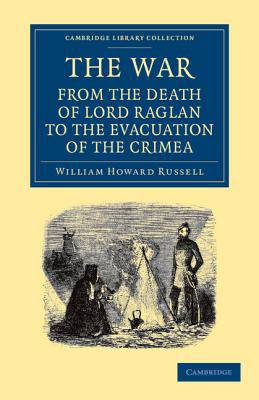
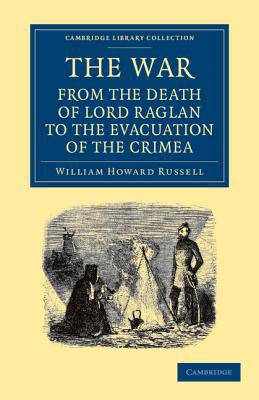
William Howard Russell (1820-1907) is today credited with having shaped the image and role of the modern war correspondent. His dispatches for The Times during the Crimean War were so influential that they led to military reforms and the fall of the Aberdeen Government. Moreover, his unflinching accounts of the appalling and insanitary conditions endured by ill-provisioned troops helped inspire the work of Florence Nightingale. He was not afraid to highlight poor leadership and planning, and was quick to praise the heroism of the 'common' soldier. Wearing military-style clothes, he obtained his information through his easy relationships with junior officers, helped by his fondness for brandy and cigars. This volume, published in 1856, includes his last Crimean dispatches, concluding with poignant descriptions of visits by the soldiers to the battlefields to erect memorials to their fallen comrades.
Specificaties
Betrokkenen
- Auteur(s):
- Uitgeverij:
Inhoud
- Aantal bladzijden:
- 500
- Taal:
- Engels
- Reeks:
Eigenschappen
- Productcode (EAN):
- 9781108051941
- Verschijningsdatum:
- 22/08/2013
- Uitvoering:
- Paperback
- Formaat:
- Trade paperback (VS)
- Afmetingen:
- 140 mm x 216 mm
- Gewicht:
- 630 g


Alleen bij Standaard Boekhandel
AANGERADEN


Beoordelingen
We publiceren alleen reviews die voldoen aan de voorwaarden voor reviews. Bekijk onze voorwaarden voor reviews.