


- Afhalen na 1 uur in een winkel met voorraad
- Gratis thuislevering in België vanaf € 30
- Ruim aanbod met 7 miljoen producten
- Afhalen na 1 uur in een winkel met voorraad
- Gratis thuislevering in België vanaf € 30
- Ruim aanbod met 7 miljoen producten





€ 193,45
+ 386 punten
Omschrijving
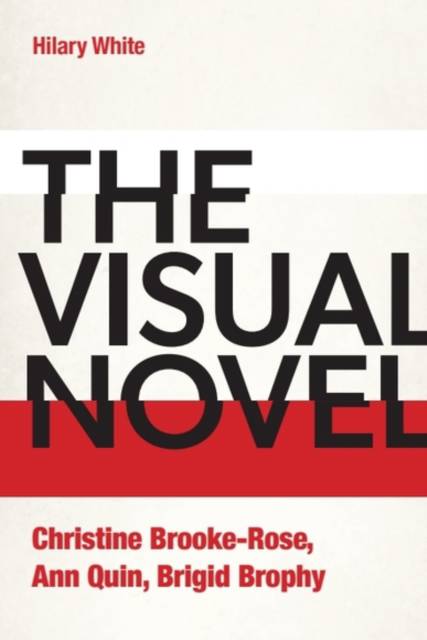
The Visual Novel situates the work of Christine Brooke-Rose, Ann Quin and Brigid Brophy in relation to developments in the visual arts. Focusing on four forms recurring in the novels of these authors - frames, circuits, flesh and crossings - it outlines a trend of increasing visuality throughout the 1960s and 70s as Brooke-Rose, Quin and Brophy began to pose questions about literary and social forms, and the possible relationships between the two. With questions of form coming back into critical interest, Hilary White revisits the work of these decades to develop a new understanding of visuality as it relates to literary study and consider the potential for disrupting disciplinary space through writing and rewriting. As the first book to address the work of Brooke-Rose, Quin and Brophy in tandem, this volume asserts the continued relevance of these three important, but often overlooked, authors to discussions of visual form and (in)discipline in writing, aesthetics and politics.
Specificaties
Betrokkenen
- Auteur(s):
- Uitgeverij:
Inhoud
- Aantal bladzijden:
- 264
- Taal:
- Engels
Eigenschappen
- Productcode (EAN):
- 9781399506588
- Verschijningsdatum:
- 30/04/2025
- Uitvoering:
- Hardcover
- Formaat:
- Genaaid
- Afmetingen:
- 156 mm x 234 mm
- Gewicht:
- 548 g


Alleen bij Standaard Boekhandel
+ 386 punten op je klantenkaart van Standaard Boekhandel
Cadeau

AANGERADEN


Beoordelingen
We publiceren alleen reviews die voldoen aan de voorwaarden voor reviews. Bekijk onze voorwaarden voor reviews.