


- Afhalen na 1 uur in een winkel met voorraad
- Gratis thuislevering in België vanaf € 30
- Ruim aanbod met 7 miljoen producten
- Afhalen na 1 uur in een winkel met voorraad
- Gratis thuislevering in België vanaf € 30
- Ruim aanbod met 7 miljoen producten
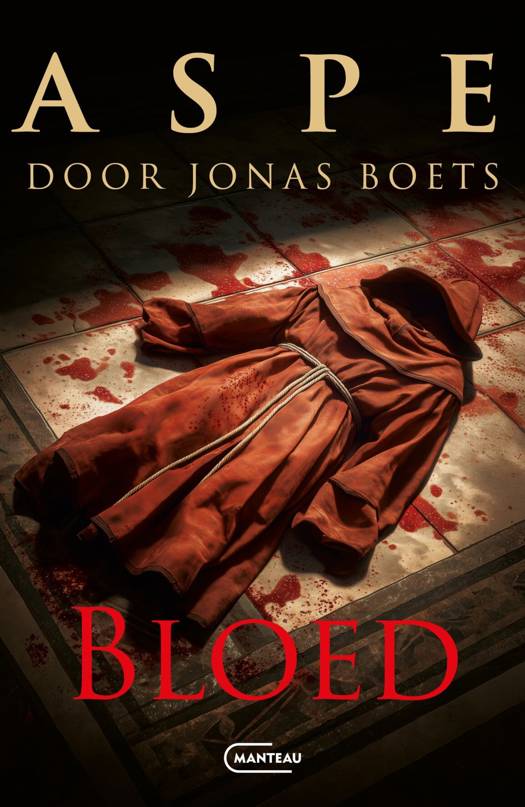




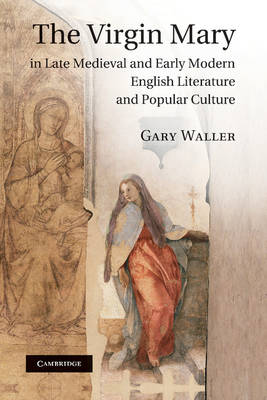
The Virgin Mary in Late Medieval and Early Modern English Literature and Popular Culture
Gary Waller
Paperback | Engels
€ 86,45
+ 172 punten
Uitvoering
Omschrijving
The Virgin Mary was one of the most powerful images of the Middle Ages, central to people's experience of Christianity. During the Reformation, however, many images of the Virgin were destroyed, as Protestantism rejected the way the medieval Church over-valued and sexualized Mary. Although increasingly marginalized in Protestant thought and practice, her traces and surprising transformations continued to haunt early modern England. Combining historical analysis and contemporary theory, including issues raised by psychoanalysis and feminist theology, Gary Waller examines the literature, theology and popular culture associated with Mary in the transition between late medieval and early modern England. He contrasts a variety of pre-Reformation texts and events, including popular mariology, poetry, tales, drama, pilgrimage, and the emerging 'New Learning', with later sixteenth-century ruins, songs, ballads, Petrarchan poetry, the works of Shakespeare, and other texts where the Virgin's presence or influence, sometimes surprisingly, can be found.
Specificaties
Betrokkenen
- Auteur(s):
- Uitgeverij:
Inhoud
- Aantal bladzijden:
- 250
- Taal:
- Engels
Eigenschappen
- Productcode (EAN):
- 9781107407664
- Verschijningsdatum:
- 13/09/2012
- Uitvoering:
- Paperback
- Formaat:
- Trade paperback (VS)
- Afmetingen:
- 152 mm x 229 mm
- Gewicht:
- 371 g


Alleen bij Standaard Boekhandel
+ 172 punten op je klantenkaart van Standaard Boekhandel
Cadeau

AANGERADEN


Beoordelingen
We publiceren alleen reviews die voldoen aan de voorwaarden voor reviews. Bekijk onze voorwaarden voor reviews.