


- Afhalen na 1 uur in een winkel met voorraad
- Gratis thuislevering in België vanaf € 30
- Ruim aanbod met 7 miljoen producten
- Afhalen na 1 uur in een winkel met voorraad
- Gratis thuislevering in België vanaf € 30
- Ruim aanbod met 7 miljoen producten





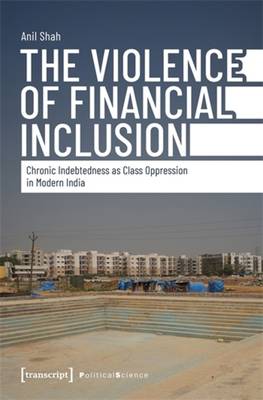
The Violence of Financial Inclusion
Chronic Indebtedness as Class Oppression in Modern India
Anil Shah
€ 54,45
+ 108 punten
Eenvoudig bestellen
Veilig betalen


Gratis thuislevering vanaf € 30 (via bpost)
Gratis levering in je Standaard Boekhandel
Omschrijving
Financial inclusion appears as a timely development policy. Ostensibly, providing poor households with access to credit and other financial services contributes to sustainable development and poverty alleviation. Anil Shah reveals the colonial roots of microfinance and how these paved the way for its rise in the present. Drawing on empirical field research, he demonstrates how financial inclusion is the latest incarnation of a class-based mode of dominating and exploiting subaltern classes on the Indian subcontinent through gendered and racialised indebtedness. As such, he offers a vital resource for researchers, students, and policymakers working in the field of development finance.
Specificaties
Betrokkenen
- Auteur(s):
- Uitgeverij:
Inhoud
- Aantal bladzijden:
- 354
- Taal:
- Engels
- Reeks:
- Reeksnummer:
- nr. 180
Eigenschappen
- Productcode (EAN):
- 9783837680645
- Verschijningsdatum:
- 5/08/2025
- Uitvoering:
- Paperback
- Formaat:
- Trade paperback (VS)
- Afmetingen:
- 152 mm x 229 mm
- Gewicht:
- 471 g


Alleen bij Standaard Boekhandel
+ 108 punten op je klantenkaart van Standaard Boekhandel
CADEAU

AANGERADEN


Beoordelingen
We publiceren alleen reviews die voldoen aan de voorwaarden voor reviews. Bekijk onze voorwaarden voor reviews.