


- Afhalen na 1 uur in een winkel met voorraad
- Gratis thuislevering in België vanaf € 30
- Ruim aanbod met 7 miljoen producten
- Afhalen na 1 uur in een winkel met voorraad
- Gratis thuislevering in België vanaf € 30
- Ruim aanbod met 7 miljoen producten





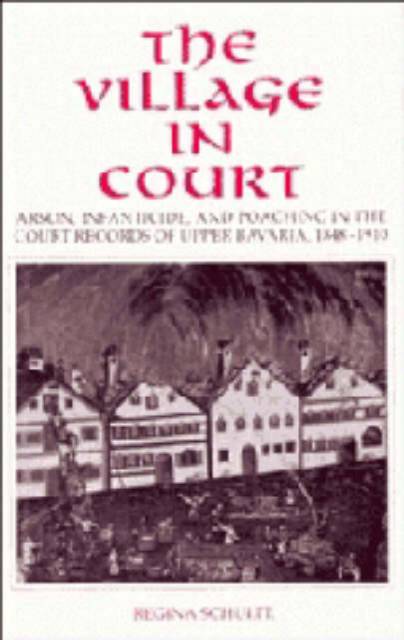
The Village in Court
Arson, Infanticide, and Poaching in the Court Records of Upper Bavaria 1848 1910
Regina Schulte
Hardcover | Engels
€ 191,95
+ 383 punten
Omschrijving
The rural village in nineteenth-century Europe was caught in a conflict between its traditional local culture and its new integration into the grasp of state institutions and modern social structures. Local practices were turned into crimes; the social meaning of crime within the village culture was redefined by the introduction of bourgeois penal law and psychiatry. The language of the intruding agencies had created, through a wealth of written documentation, an image of village life for the outside world. Criminal investigations, however, had to be based on interrogations of the villagers themselves, and it was through this questioning process that their own views, language, and symbolic gestures went on record. Schulte provides a new and original interpretation of village power structures, gender relations, and generational rites of passage through a close reading of the trial proceedings before the penal courts of Upper Bavaria for the three most important types of rural crime: arson, infanticide, and poaching.
Specificaties
Betrokkenen
- Auteur(s):
- Vertaler(s):
- Uitgeverij:
Inhoud
- Aantal bladzijden:
- 208
- Taal:
- Engels
Eigenschappen
- Productcode (EAN):
- 9780521431866
- Verschijningsdatum:
- 29/04/1994
- Uitvoering:
- Hardcover
- Formaat:
- Genaaid
- Afmetingen:
- 157 mm x 234 mm
- Gewicht:
- 408 g



Alleen bij Standaard Boekhandel
+ 383 punten op je klantenkaart van Standaard Boekhandel
Cadeau

AANGERADEN


Beoordelingen
We publiceren alleen reviews die voldoen aan de voorwaarden voor reviews. Bekijk onze voorwaarden voor reviews.