



Je cadeautjes zeker op tijd in huis hebben voor de feestdagen? Kom langs in onze winkels en vind het perfecte geschenk!
- Afhalen na 1 uur in een winkel met voorraad
- Gratis thuislevering in België vanaf € 30
- Ruim aanbod met 7 miljoen producten
Je cadeautjes zeker op tijd in huis hebben voor de feestdagen? Kom langs in onze winkels en vind het perfecte geschenk!
- Afhalen na 1 uur in een winkel met voorraad
- Gratis thuislevering in België vanaf € 30
- Ruim aanbod met 7 miljoen producten





€ 76,45
+ 152 punten
Omschrijving
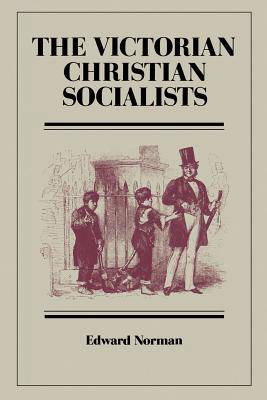
Victorian Christian Socialism began as a protest against industrial evils by a group of Anglicans in 1848 - the year of the great Chartist demonstration. In F. D. Maurice it had a prophet and a thinker whose ideas inspired subsequent Christians, so that the ideals of the original Christian Socialists began to spread to other Churches. The result was a series of critiques of the England of their day, rather than a systematic 'movement', and is best analysed, as it is in this book, through an examination of the leading figures, who in addition to Maurice include Charles Kingsley, Thomas Hughes and John Ruskin. The present study is not a collection of biographical studies, however, but a history of Christian Socialism constructed around the most influential of its advocates. They are shown to have been ethical and educational reformers rather than politicians, but in their ability to stand outside the common assumptions and prejudices of their day they achieved social criticism of lasting value.
Specificaties
Betrokkenen
- Auteur(s):
- Uitgeverij:
Inhoud
- Aantal bladzijden:
- 208
- Taal:
- Engels
Eigenschappen
- Productcode (EAN):
- 9780521530514
- Verschijningsdatum:
- 3/10/2002
- Uitvoering:
- Paperback
- Formaat:
- Trade paperback (VS)
- Afmetingen:
- 155 mm x 229 mm
- Gewicht:
- 317 g


Alleen bij Standaard Boekhandel
+ 152 punten op je klantenkaart van Standaard Boekhandel
CADEAU


Beoordelingen
We publiceren alleen reviews die voldoen aan de voorwaarden voor reviews. Bekijk onze voorwaarden voor reviews.