


- Afhalen na 1 uur in een winkel met voorraad
- Gratis thuislevering in België vanaf € 30
- Ruim aanbod met 7 miljoen producten
- Afhalen na 1 uur in een winkel met voorraad
- Gratis thuislevering in België vanaf € 30
- Ruim aanbod met 7 miljoen producten





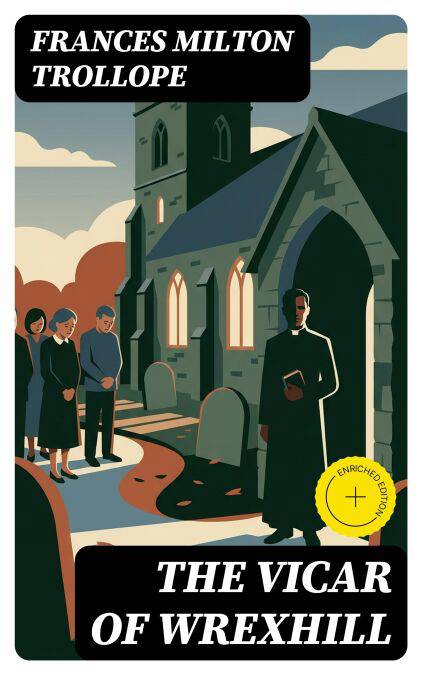
The Vicar of Wrexhill E-BOOK
Enriched edition. Hypocrisy, ambition, and moral conflict in a Victorian village clergy's struggle between faith and society
Frances Milton Trollope
E-book | Engels
€ 0,99
Uitvoering
Omschrijving
In "The Vicar of Wrexhill," Frances Milton Trollope crafts a nuanced exploration of the social dynamics and moral complexities of 19th-century England through the lens of rural clergy life. Using a richly descriptive narrative style imbued with a keen sense of irony, Trollope examines themes of hypocrisy, ambition, and the interplay between spiritual and worldly concerns. Set against the backdrop of the Victorian era, the novel reveals the church's role within the community and critiques the societal pressures that bind its leaders. Trollope's adept character development allows readers to witness the inner conflicts and moral dilemmas faced by the vicar, ultimately posing deep questions about the nature of faith and integrity in a changing world. Trollope, a pioneering female novelist, was influenced by her own experiences as an observer of social norms and injustices, particularly as they pertain to women and clergy. Her first-hand observations of English society, coupled with a strong commitment to social reform, inspired her to write a narrative that encapsulates the struggles of ecclesiastical figures within a rigid societal framework. Trollope's background and activism gave her unique insights into the intersection of personal belief and public expectation. Readers seeking a profound and thought-provoking examination of moral dilemmas in a bygone era will find "The Vicar of Wrexhill" an essential addition to their literary repertoire. With its compelling characters and vivid storytelling, this novel invites reflection on the complexities of faith, duty, and the human condition, making it a significant work in the canon of Victorian literature.
In this enriched edition, we have carefully created added value for your reading experience:
- A succinct Introduction situates the work's timeless appeal and themes.
- The Synopsis outlines the central plot, highlighting key developments without spoiling critical twists.
- A detailed Historical Context immerses you in the era's events and influences that shaped the writing.
- A thorough Analysis dissects symbols, motifs, and character arcs to unearth underlying meanings.
- Reflection questions prompt you to engage personally with the work's messages, connecting them to modern life.
- Hand‐picked Memorable Quotes shine a spotlight on moments of literary brilliance.
- Interactive footnotes clarify unusual references, historical allusions, and archaic phrases for an effortless, more informed read.
In this enriched edition, we have carefully created added value for your reading experience:
- A succinct Introduction situates the work's timeless appeal and themes.
- The Synopsis outlines the central plot, highlighting key developments without spoiling critical twists.
- A detailed Historical Context immerses you in the era's events and influences that shaped the writing.
- A thorough Analysis dissects symbols, motifs, and character arcs to unearth underlying meanings.
- Reflection questions prompt you to engage personally with the work's messages, connecting them to modern life.
- Hand‐picked Memorable Quotes shine a spotlight on moments of literary brilliance.
- Interactive footnotes clarify unusual references, historical allusions, and archaic phrases for an effortless, more informed read.
Specificaties
Betrokkenen
- Auteur(s):
- Uitgeverij:
Inhoud
- Aantal bladzijden:
- 421
- Taal:
- Engels
Eigenschappen
- Productcode (EAN):
- 8596547230991
- Verschijningsdatum:
- 3/09/2022
- Uitvoering:
- E-book
- Beveiligd met:
- Digital watermarking
- Formaat:
- ePub



Alleen bij Standaard Boekhandel
Cadeau

AANGERADEN


Beoordelingen
We publiceren alleen reviews die voldoen aan de voorwaarden voor reviews. Bekijk onze voorwaarden voor reviews.