


- Afhalen na 1 uur in een winkel met voorraad
- Gratis thuislevering in België vanaf € 30
- Ruim aanbod met 7 miljoen producten
- Afhalen na 1 uur in een winkel met voorraad
- Gratis thuislevering in België vanaf € 30
- Ruim aanbod met 7 miljoen producten





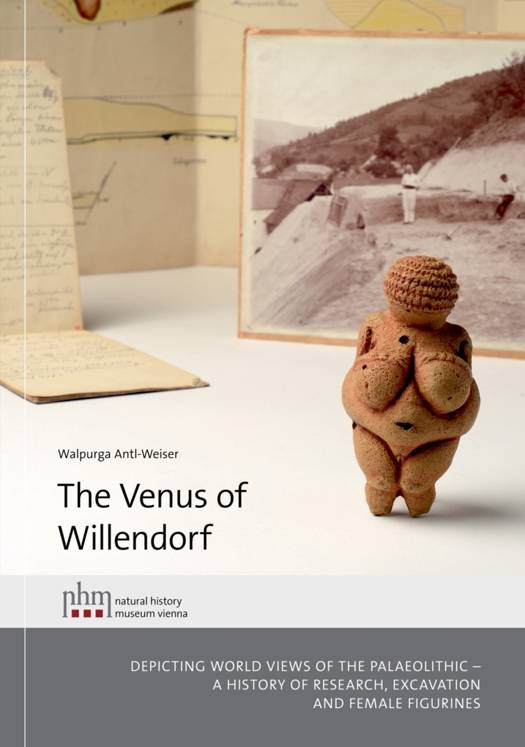
The Venus of Willendorf
Depicting world views of the Palaeolithic - a history of research, excavaition and female figurenes
Walpurga Antl-Weiser
Paperback | Engels
€ 34,95
+ 69 punten
Omschrijving
The Willendorf figurine was found in 1908 during an excavation of the Natural History Museum Vienna under the direction of Joseph Szombathy, Hugo Obermaier, and Joseph Bayer. The first well documented Palaeolithic figurine soon became an icon of Palaeolithic art. Recent analyses unveiled the possible origin of the raw material and the production process of the sculpture. The Venus of Willendorf and other Palaeolithic figurines reflect a network of communication across Europe, from France to Russia. Worshiped ancestors, mothers, or mythical beings? Although we will never know their exact meaning and function, the recurrent combination of different types of female figurines and animal sculptures are a testimony of past human thoughts. The figurines could be seen as protagonists in legends told around the fireplaces of Palaeolithic camp sites more than 30,000 years ago.
Specificaties
Betrokkenen
- Auteur(s):
- Uitgeverij:
Inhoud
- Taal:
- Engels
Eigenschappen
- Productcode (EAN):
- 9783903096493
- Uitvoering:
- Paperback
- Afmetingen:
- 190 mm x 10 mm
- Gewicht:
- 742 g


Alleen bij Standaard Boekhandel
+ 69 punten op je klantenkaart van Standaard Boekhandel
Cadeau

AANGERADEN


Beoordelingen
We publiceren alleen reviews die voldoen aan de voorwaarden voor reviews. Bekijk onze voorwaarden voor reviews.